Laser Light Sensor Arduino: Enhancing Precision and Control in Robotics and Automation
In today’s rapidly evolving technological landscape, precision and control are paramount in fields such as robotics, automation, and industrial control systems. Among the many components that enable these systems to function efficiently, the Laser Light Sensor stands out as a powerful tool that can significantly enhance performance. This article explores the role of the Laser Light Sensor in conjunction with the Arduino, offering insights into its applications, integration, and benefits.
A Laser Light Sensor is a device that detects the intensity of light emitted by a laser source. It is commonly used in applications where precise measurements of light intensity are required. The sensor works by measuring the amount of light reflected back from a laser, which can be used to determine the distance to the laser source or to detect the presence of an object in a specific range. These sensors are often used in robotics for obstacle avoidance, in automation for light-based control systems, and in scientific applications for precise measurement.
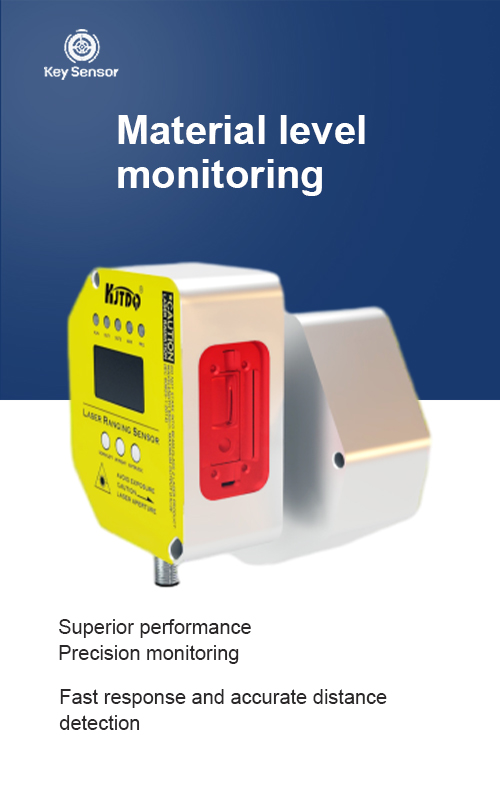
When integrated with an Arduino, the Laser Light Sensor becomes a versatile component that can be programmed to perform a variety of tasks. The Arduino provides a platform for developers to create custom circuits and programs, allowing the sensor to be connected and controlled using simple code. This integration enables the sensor to interact with other components in a controlled and predictable manner, making it ideal for projects that require accurate and reliable data collection.
One of the primary advantages of using a Laser Light Sensor with Arduino is its ability to provide high-precision measurements. The sensor’s sensitivity allows for accurate readings even in low-light conditions, making it suitable for applications where visibility is limited. Additionally, the sensor can be used to detect the presence of objects, which is particularly useful in robotics for navigation and obstacle avoidance. By measuring the intensity of the laser light, the sensor can determine whether an object is within a certain distance, allowing the robot to adjust its movement accordingly.
Another benefit of this integration is the flexibility it offers in terms of customization. Developers can program the sensor to trigger specific actions based on the measured light intensity. For example, in a robotics project, the sensor can be used to detect an object and activate a motor or switch. This level of control allows for greater precision and efficiency in automation tasks.
The combination of Laser Light Sensor and Arduino also opens up possibilities in scientific and industrial applications. In scientific research, the sensor can be used to measure light intensity in experiments, providing data that can be analyzed for trends or patterns. In industrial settings, the sensor can be used to monitor light levels in environments where precise control is necessary, such as in lighting systems or material processing.
In conclusion, the Laser Light Sensor in conjunction with Arduino offers a powerful solution for precision and control in a wide range of applications. Whether it is used in robotics for obstacle avoidance, in automation for light-based control, or in scientific research for data collection, this integration provides a reliable and flexible platform for innovation. As technology continues to advance, the potential applications of this combination will only expand, making it an essential component in the development of smart and efficient systems.











 +40729977919
  keysensor.ro@gmail.com




