Arduino Laser Range Sensor: A Powerful Tool for Precision Measurement
In today’s rapidly evolving technological landscape, precision measurement is becoming increasingly important across various industries. One of the most versatile tools for this purpose is the Arduino Laser Range Sensor, a compact and cost-effective solution that enables users to measure distances with high accuracy. This article explores the features, applications, and benefits of the Arduino Laser Range Sensor, making it an ideal companion for makers, engineers, and students alike.
The Arduino Laser Range Sensor is designed to measure the distance between a sensor and an object using laser technology. Unlike traditional sensors that rely on ultrasonic or infrared measurements, the laser sensor operates on a different principle, offering greater accuracy and range. This makes it particularly useful in applications where high precision is required, such as robotics, automation, and industrial monitoring.
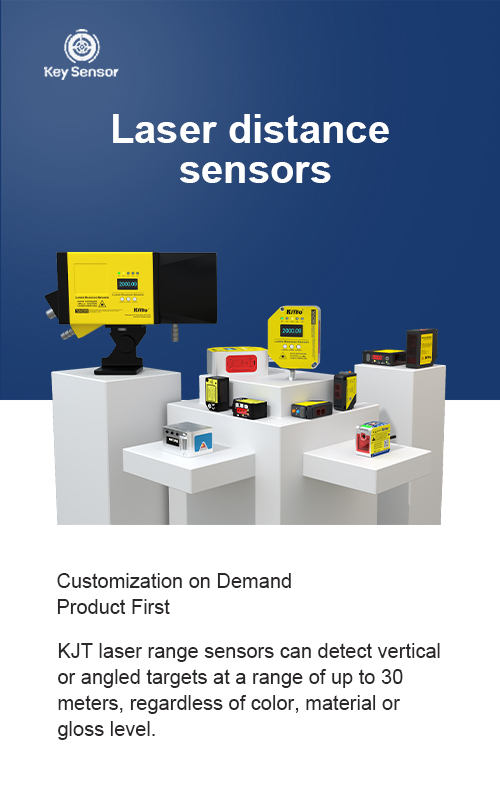
One of the key advantages of the Arduino Laser Range Sensor is its ability to detect objects at a distance of up to 10 meters. This range is sufficient for most practical applications, from basic distance sensing to more complex automation tasks. The sensor works by emitting a laser pulse and measuring the time it takes for the pulse to return after reflecting off an object. This time is then converted into a distance measurement, providing reliable and consistent results.
The integration of the Arduino Laser Range Sensor with the Arduino platform makes it an accessible and user-friendly tool. Users can easily connect the sensor to their Arduino board and write code to read and process the sensor data. This straightforward setup allows for quick prototyping and testing, making it a popular choice among hobbyists and professionals alike.
In addition to its technical capabilities, the Arduino Laser Range Sensor offers a range of applications. In robotics, it can be used to detect obstacles and navigate through environments with precision. In industrial settings, it can monitor the position of objects or measure the distance between machines. For educational purposes, it serves as an excellent tool to teach students about sensor technology and data acquisition.
The sensor’s accuracy and reliability make it a valuable asset in various fields. It is widely used in applications such as autonomous vehicles, where precise distance measurements are essential for safe navigation. In agriculture, it can be used to monitor crop heights and detect soil moisture levels. In healthcare, it can assist in monitoring the position of medical devices or patients during treatment.
Despite its many benefits, the Arduino Laser Range Sensor is not without its limitations. Factors such as environmental conditions, sensor placement, and object reflectivity can affect the accuracy of the measurements. Therefore, it is important to follow best practices when using the sensor and to calibrate it appropriately for the specific application.
In conclusion, the Arduino Laser Range Sensor is a powerful and versatile tool that offers high precision and accuracy in distance measurement. Its integration with the Arduino platform makes it an accessible and user-friendly solution for a wide range of applications. Whether you are a maker, engineer, or student, the Arduino Laser Range Sensor provides a valuable opportunity to enhance your projects with advanced sensing technology.





















 +40729977919
  keysensor.ro@gmail.com


