Arduino 3D Laser Scanner: Revolutionizing 3D Modeling and Robotics
The integration of 3D laser scanning technology with Arduino platforms has opened new frontiers in robotics, automation, and 3D modeling. At the heart of this innovation is the Arduino 3D Laser Scanner, a device that combines the precision of laser scanning with the flexibility of an open-source microcontroller. This article explores the features, applications, and benefits of the Arduino 3D Laser Scanner, highlighting how it is reshaping the landscape of modern engineering and design.
The Arduino 3D Laser Scanner is a compact, affordable, and user-friendly device that enables real-time 3D scanning of objects. It uses a laser to emit a beam that reflects off the surface of the object, and the reflected light is captured by a sensor to create a 3D point cloud. This point cloud can then be processed and used to generate 3D models or to analyze the geometry of an object. The scanner is particularly well-suited for applications where high accuracy and ease of use are essential.
One of the key advantages of the Arduino 3D Laser Scanner is its low cost and ease of integration. Unlike expensive commercial scanners, the Arduino version is built on a microcontroller that is widely used in the robotics and electronics communities. This makes it an ideal choice for hobbyists, educators, and small-scale engineers who want to experiment with 3D scanning without a steep learning curve.
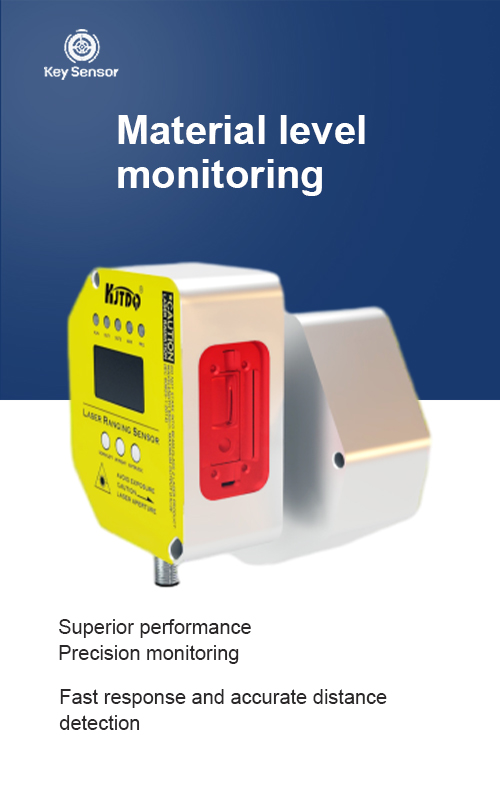
The Arduino 3D Laser Scanner is often paired with other Arduino modules, such as the Laser Sensor Module or 3D Vision Module, to enhance its functionality. These modules can be connected to the Arduino board, allowing for greater control over the scanning process. For example, the laser can be adjusted in intensity, the scanning speed can be modified, and the data can be processed in real time. This flexibility makes the Arduino 3D Laser Scanner a versatile tool for a wide range of applications.
In the field of robotics, the Arduino 3D Laser Scanner plays a crucial role in object recognition and navigation. By scanning the environment, the scanner can create a 3D map of a space, which is then used to help robots understand their surroundings. This is particularly useful in autonomous systems, where precise spatial awareness is essential. For instance, in warehouse automation, the scanner can be used to create a 3D model of a storage area, enabling robots to navigate and pick items efficiently.
In the realm of 3D modeling, the Arduino 3D Laser Scanner is a valuable tool for creating digital replicas of physical objects. The point cloud data generated by the scanner can be uploaded to software such as Blender or Autodesk 360, allowing for detailed modeling and rendering. This is especially beneficial for architects, designers, and engineers who need to visualize and modify physical objects in a digital environment.
Another important application of the Arduino 3D Laser Scanner is in biomechanics and medical imaging. The scanner can be used to create 3D models of human anatomy, helping researchers and surgeons to better understand the structure of the body. This can lead to more accurate surgical procedures and improved patient outcomes.
Despite its many benefits, the Arduino 3D Laser Scanner is not without its challenges. One of the main limitations is the accuracy and resolution of the scanner. While it is capable of producing high-quality 3D models, the precision may be limited compared to professional-grade scanners. Additionally, the processing power required to analyze the point cloud data can be a challenge for beginners, especially those working with limited computing resources.
However, the advantages of the Arduino 3D Laser Scanner far outweigh its limitations. Its open-source nature, modular design, and user-friendly interface make it an excellent choice for those interested in exploring 3D scanning technology. Whether you’re a hobbyist, an educator, or a professional engineer, the Arduino 3D Laser Scanner offers a powerful and accessible tool for innovation.
In conclusion, the Arduino 3D Laser Scanner represents a significant advancement in 3D scanning technology, offering a cost-effective and flexible solution for a wide range of applications. Its integration with Arduino platforms makes it an ideal choice for those looking to explore the intersection of robotics, engineering, and design. As technology continues to evolve, the potential of the Arduino 3D Laser Scanner will only grow, paving the way for new innovations and discoveries in the field of 3D modeling and robotics.





















 +40729977919
  keysensor.ro@gmail.com


