Omron Laser Displacement Sensor: Precision, Reliability, and Versatility in Industrial Automation
In the rapidly evolving landscape of industrial automation, precision and reliability are paramount. One of the key components that ensures these qualities is the Omron Laser Displacement Sensor. Designed for high-accuracy measurement in a variety of industrial settings, this sensor is a cornerstone of modern automation systems. Whether used in manufacturing, robotics, or quality control, the Omron Laser Displacement Sensor offers a blend of advanced technology and practical performance that makes it a preferred choice for engineers and manufacturers alike.
The Omron Laser Displacement Sensor operates by emitting a laser beam and measuring the distance between the sensor and a target object. This non-contact measurement technique allows for continuous monitoring without physical contact, eliminating the risk of wear and tear or contamination. The sensor’s ability to detect minute changes in distance makes it ideal for applications where precision is critical, such as in material handling, positioning systems, and automated inspection processes.
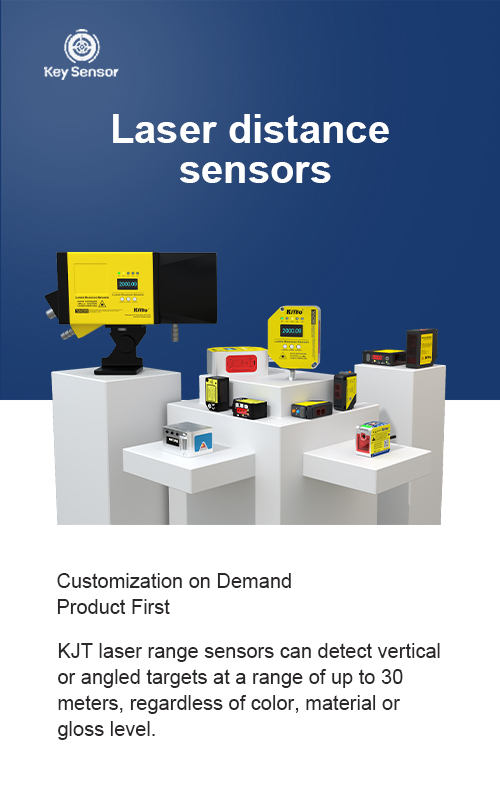
One of the standout features of the Omron Laser Displacement Sensor is its high accuracy and repeatability. The sensor uses advanced optical and signal processing technologies to provide reliable measurements even in challenging environments. This is particularly beneficial in applications where small variations can have significant impacts on product quality or system performance. For instance, in automotive manufacturing, the sensor ensures that parts are precisely positioned, minimizing defects and reducing production costs.
Another key advantage is the versatility of the sensor. It can be integrated into a wide range of systems, including conveyor belts, robotic arms, and automated testing equipment. The sensor’s compatibility with various control systems and data acquisition platforms makes it easy to install and configure, reducing the time and effort required for implementation. This flexibility allows manufacturers to adapt the sensor to their specific needs, whether it’s for small-scale production or large-scale manufacturing operations.
The reliability of the Omron Laser Displacement Sensor is another major factor that contributes to its popularity. With a long operational lifespan and minimal maintenance requirements, it offers cost-effective solutions for industrial applications. The sensor is built to withstand harsh conditions, making it suitable for use in diverse environments, from cleanrooms to outdoor manufacturing plants.
In addition to its technical specifications, the Omron Laser Displacement Sensor is often praised for its user-friendly design and intuitive interface. The sensor comes with a range of accessories and software tools that simplify setup and configuration, allowing operators to quickly get started with minimal training. This ease of use is especially important in fast-paced manufacturing environments where efficiency is crucial.
As industries continue to adopt more advanced automation technologies, the role of precision measurement devices like the Omron Laser Displacement Sensor becomes even more essential. Its combination of high accuracy, reliability, and versatility makes it a valuable asset in modern industrial operations. Whether it’s for improving product quality, reducing production costs, or enhancing system efficiency, the Omron Laser Displacement Sensor is a key enabler of progress in automation.
In conclusion, the Omron Laser Displacement Sensor is more than just a measurement device—it is a vital component of modern industrial automation. Its ability to deliver precise, reliable, and versatile measurements ensures that it remains a top choice for manufacturers and engineers seeking to optimize their operations. As technology continues to advance, the importance of such sensors will only grow, making them an indispensable part of the future of automation.





















 +40729977919
  keysensor.ro@gmail.com


