NPN & PNP Sensor Laser Sensor: Principles, Applications, and Integration
In today’s rapidly evolving electronics industry, the integration of sensors and laser technology has become a key driver for innovation and efficiency. Among the various types of sensors, NPN and PNP sensors are widely used in industrial automation, robotics, and smart devices due to their unique electrical characteristics and reliability. When combined with laser sensors, these technologies offer enhanced precision, real-time data acquisition, and improved performance in a wide range of applications.
NPN and PNP sensors are both types of transistor-based sensors that detect changes in electrical current. NPN sensors operate by detecting a change in the base current, while PNP sensors detect a change in the emitter current. These sensors are commonly used in applications such as proximity sensing, position detection, and signal conditioning. Their ability to respond to small changes in current makes them ideal for precision measurements in environments where noise and interference are a concern.
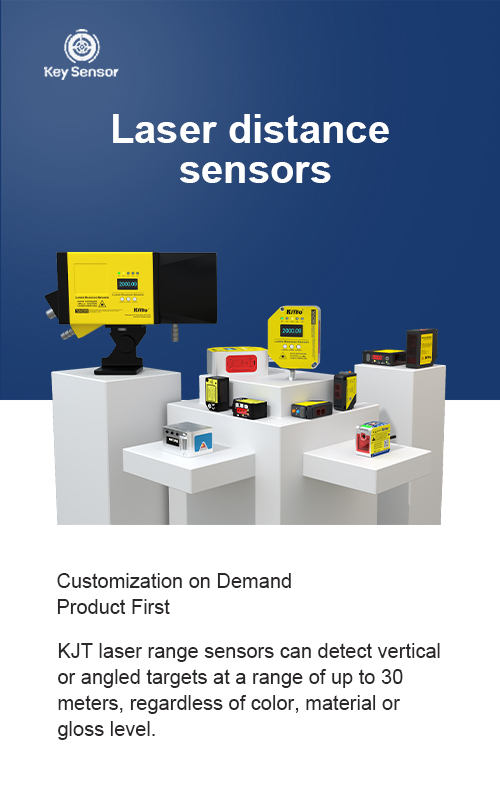
Laser sensors, on the other hand, use light to detect objects or changes in distance. They are known for their high accuracy and non-contact measurement capabilities. In combination with NPN or PNP sensors, laser sensors can provide enhanced detection accuracy and reliability. For instance, in industrial automation, laser sensors can be used to detect the presence or absence of an object, while NPN or PNP sensors can be used to trigger actions based on these detections. This integration allows for more robust and responsive systems.
The combination of NPN/PNP sensors and laser sensors is particularly valuable in applications where high precision and real-time feedback are required. For example, in automated manufacturing, laser sensors can detect the position of a part, while NPN or PNP sensors can provide feedback to control the movement of machinery. This integration not only improves the efficiency of the system but also reduces the need for mechanical contact, which can lead to wear and tear and increased maintenance costs.
In robotics, the use of laser sensors with NPN/PNP sensors enables precise movement and control. Laser sensors can detect obstacles in real time, while NPN or PNP sensors can signal the robot to adjust its path or stop. This level of precision is essential in tasks that require high accuracy, such as picking and placing in assembly lines.
Moreover, in the field of smart home and security systems, the integration of these sensors enhances the functionality and reliability of devices. Laser sensors can detect motion or presence, while NPN or PNP sensors can trigger actions such as turning on lights or activating security systems. This combination provides a more intelligent and responsive environment.
It is important to note that the integration of NPN/PNP sensors and laser sensors requires careful consideration of the system’s design and signal integrity. Proper calibration and testing are essential to ensure that the sensors work together efficiently and without interference. Additionally, the use of high-quality components and reliable power sources is crucial for maintaining the performance and longevity of the system.
In conclusion, the integration of NPN and PNP sensors with laser sensors represents a significant advancement in sensor technology. By combining the strengths of both types of sensors, manufacturers can create more efficient, precise, and reliable systems across various industries. As technology continues to evolve, the future of sensor integration looks promising, offering new possibilities for innovation and improvement in the field of electronics.





















 +40729977919
  keysensor.ro@gmail.com


