Panasonic Laser Sensor: Enhancing Precision and Efficiency in Modern Automation
In today’s fast-paced manufacturing and industrial environments, the integration of advanced sensors has become a critical factor in improving productivity and reducing operational costs. Among the various sensor technologies available, Panasonic Laser Sensor stands out for its precision, reliability, and versatility. This article explores the features, applications, and benefits of Panasonic’s laser sensors, offering a comprehensive overview of how they are transforming modern automation.
Laser sensors are widely used in industries such as automotive, robotics, logistics, and smart manufacturing. They are known for their high accuracy and ability to detect objects at a distance without physical contact. Panasonic Laser Sensor is no exception. It combines cutting-edge laser technology with high-precision engineering to deliver exceptional performance in challenging environments.
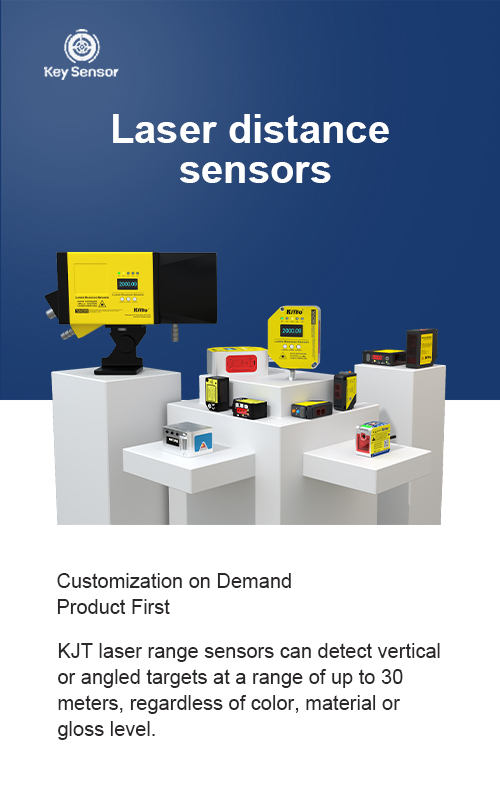
One of the key advantages of Panasonic’s laser sensors is their high detection accuracy, which ensures that objects are identified with minimal error. This is particularly important in applications where precision is paramount, such as in the assembly lines of automotive manufacturing. The sensor’s ability to detect objects at a distance of up to 10 meters with high resolution makes it an ideal solution for automated systems that require consistent and reliable performance.
Another notable feature is the versatility of Panasonic’s laser sensors. They can be used in a wide range of applications, from simple object detection to complex motion control systems. Whether it’s detecting the presence of a part on a conveyor belt or measuring the distance of a moving object, the sensor can adapt to different scenarios with minimal setup. This flexibility makes them a popular choice among manufacturers looking to optimize their operations.
The reliability of Panasonic’s laser sensors is another major advantage. Unlike traditional sensors that may require frequent maintenance or calibration, these sensors are designed to operate with minimal intervention. This reduces downtime and maintenance costs, allowing businesses to focus on production rather than support. Additionally, the sensors are built to withstand harsh environmental conditions, making them suitable for use in industrial settings with high levels of dust, humidity, or temperature fluctuations.
In addition to their technical specifications, Panasonic’s laser sensors also offer cost-effectiveness. While the initial investment may be higher than some other sensor technologies, the long-term savings from reduced maintenance and increased efficiency make them a sound financial decision. The sensors are also compatible with a wide range of industrial systems, allowing for seamless integration into existing workflows.
As industries continue to evolve, the demand for high-precision, reliable, and efficient sensors is growing. Panasonic Laser Sensor is at the forefront of this trend, providing manufacturers with a powerful tool to enhance their automation capabilities. With its combination of advanced technology, versatility, and reliability, it is clear that Panasonic’s laser sensors are set to play a crucial role in the future of industrial automation.
In summary, Panasonic Laser Sensor is a key innovation in modern automation, offering unparalleled precision, reliability, and versatility. Whether it’s for industrial applications or smart manufacturing processes, these sensors are a valuable investment for businesses looking to stay competitive in a rapidly changing market.





















 +40729977919
  keysensor.ro@gmail.com


