Omron Laser Sensor: Precision, Reliability, and Innovation in Industrial Automation
In the dynamic world of industrial automation, the role of precise and reliable sensors is indispensable. Among the various technologies used in this field, the Omron laser sensor stands out as a key player, offering unmatched accuracy, durability, and adaptability. This article explores the capabilities and advantages of Omron laser sensors, emphasizing how they contribute to the efficiency and performance of modern manufacturing systems.
Laser sensors are widely used in industries such as automotive, electronics, and logistics for their ability to detect objects with high precision. Omron, a well-known manufacturer of industrial automation equipment, has developed a range of laser sensors that are designed to meet the highest standards of performance and reliability. These sensors are especially useful in applications where traditional sensors may fall short due to environmental factors or the need for high-speed detection.
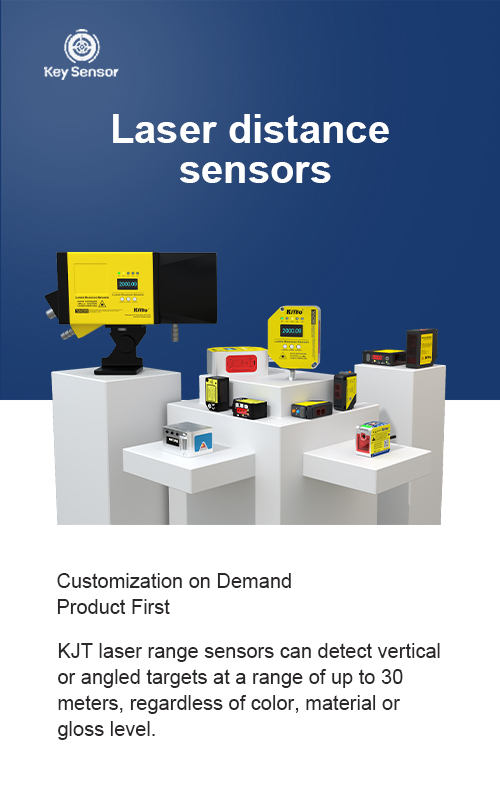
One of the most significant advantages of Omron laser sensors is their high precision. Laser sensors operate by emitting a laser beam and measuring the time it takes for the beam to return after reflecting off an object. This method allows for extremely accurate measurements, even in complex environments. The precision of Omron’s laser sensors ensures that manufacturing processes can be optimized, leading to improved product quality and reduced waste.
Another key feature of Omron laser sensors is their durability. Designed for long-term use in demanding industrial settings, these sensors are built to withstand harsh conditions, including dust, moisture, and mechanical stress. This makes them ideal for use in factories, warehouses, and other environments where reliability is crucial.
Additionally, Omron laser sensors are known for their versatility. They can be adapted to a wide range of applications, from simple object detection to complex measurement tasks. Whether it’s detecting the presence of an object, measuring distance, or identifying material properties, Omron’s laser sensors provide a reliable solution tailored to specific needs.
In terms of integration, Omron laser sensors are compatible with a variety of industrial control systems, making them easy to incorporate into existing automation frameworks. This compatibility ensures that businesses can upgrade their systems without significant disruption, allowing them to remain competitive in a rapidly evolving market.
The benefits of using Omron laser sensors extend beyond just technical performance. Their reliability and precision contribute to increased productivity and reduced operational costs. By minimizing errors and ensuring consistent performance, these sensors help manufacturers achieve greater efficiency and quality control.
As industries continue to evolve and demand more from automation systems, the importance of high-performance sensors like the Omron laser sensor becomes even more critical. With their combination of precision, durability, and adaptability, these sensors are not only meeting current needs but also setting the foundation for future innovations in industrial automation.
Omron laser sensors are more than just a technological advancement—they are a strategic investment in the future of manufacturing. As companies look to improve their operational efficiency and competitiveness, the role of precision and reliability in sensor technology cannot be overstated. With Omron leading the way, the future of industrial automation is poised for continued growth and innovation.





















 +40729977919
  keysensor.ro@gmail.com


