IfM Laser Sensor: Enhancing Precision and Efficiency in Modern Industrial Applications
In today’s rapidly evolving industrial landscape, the demand for high-precision measurement and control systems has never been greater. Among the various technologies that support this demand, IfM Laser Sensor stands out as a critical component in modern manufacturing and automation. These sensors are designed to provide accurate, real-time data that enables manufacturers to optimize processes, reduce waste, and improve overall performance. This article explores the role of IfM laser sensors in industrial settings, their key features, and how they contribute to the advancement of automated systems.
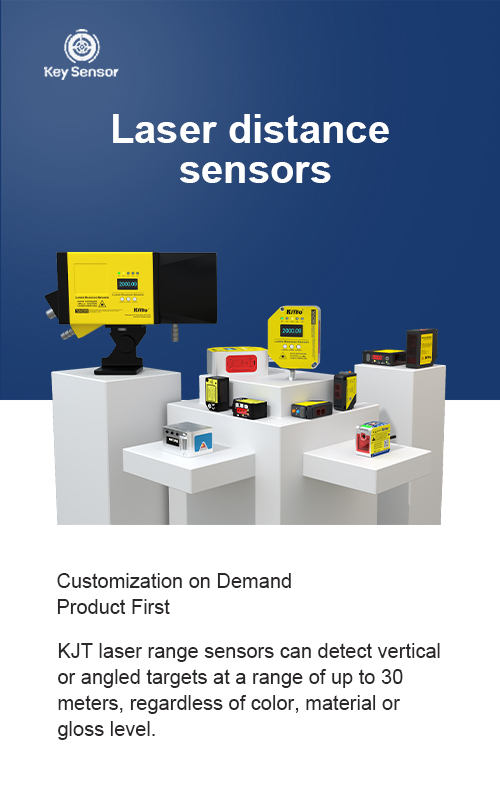
Laser sensors operate by emitting a laser beam and detecting the reflection or absorption of the light. This process allows them to measure distances, velocities, and even object sizes with remarkable accuracy. In industrial applications, IfM laser sensors are widely used for tasks such as quality control, material tracking, and environmental monitoring. Their non-contact nature makes them ideal for use in high-speed environments where traditional sensors may be less effective or prone to interference.
One of the key advantages of IfM laser sensors is their versatility. They can be adapted for various applications, from measuring the thickness of thin materials to detecting the presence of objects in a production line. This adaptability ensures that they remain a valuable tool across multiple industries, including automotive, electronics, and pharmaceuticals. Additionally, their ability to operate in harsh environments makes them suitable for use in difficult-to-reach or high-temperature settings.
Another important feature of IfM laser sensors is their high precision. These sensors are capable of detecting even the smallest changes in distance or position, which is essential in applications where accuracy is paramount. For instance, in precision manufacturing, a small error in measurement can lead to significant quality issues. IfM laser sensors help mitigate this risk by providing reliable and consistent data throughout the production process.
The integration of IfM laser sensors into industrial systems also enhances efficiency. By providing real-time data, these sensors enable automated systems to make instant decisions, reducing the need for manual intervention. This not only speeds up production but also minimizes errors and downtime. As industries continue to move toward smart manufacturing and Industry 4.0, the role of laser sensors in enabling data-driven decision-making becomes increasingly important.
In conclusion, IfM laser sensors are a vital component in modern industrial automation. Their precision, versatility, and adaptability make them an essential tool for manufacturers seeking to improve efficiency and quality. As technology continues to advance, the potential of IfM laser sensors will only grow, further solidifying their position as a cornerstone of modern manufacturing.





















 +40729977919
  keysensor.ro@gmail.com


