Hokuyo Scanner Laser Sensor: Revolutionizing Robotics and Automation
In the rapidly evolving world of robotics and automation, the Hokuyo Scanner Laser Sensor stands out as a pivotal component in enabling precise navigation and object detection. This advanced sensor technology is widely used in industrial robots, autonomous vehicles, and other automated systems, offering unparalleled accuracy and reliability.
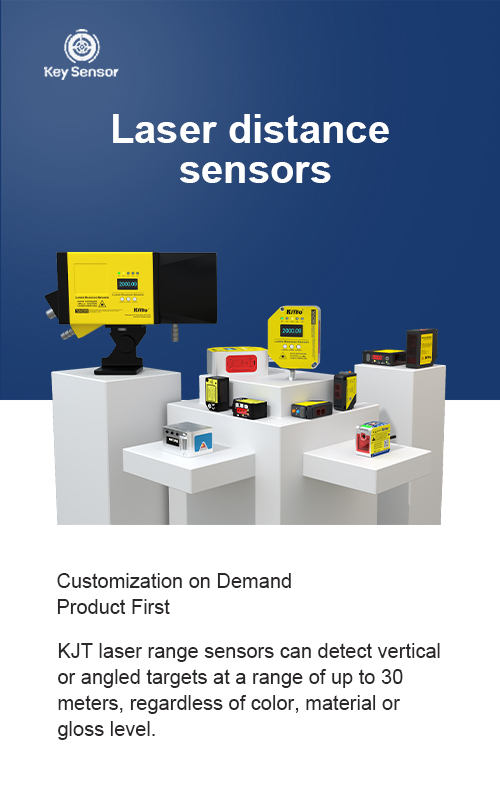
The Hokuyo Scanner Laser Sensor is a key player in the field of laser scanning, providing high-resolution 3D maps of the environment. Its ability to create detailed and real-time environmental data is crucial for applications that require precise spatial awareness. Whether it’s in a factory setting or a dynamic urban environment, the sensor ensures that machines can operate efficiently and safely.
One of the most significant advantages of the Hokuyo Scanner is its high precision. It uses laser technology to measure distances and create detailed maps, allowing robots to navigate complex environments with ease. This precision is especially important in scenarios where small errors can lead to significant consequences, such as in manufacturing or autonomous driving. The sensor’s ability to detect obstacles and maintain a clear path is a game-changer for automation.
Moreover, the Hokuyo Scanner is known for its robustness and reliability. It is designed to withstand harsh conditions, making it suitable for use in various environments. Whether it’s in a dusty factory or a bustling city, the sensor continues to perform at its best, ensuring consistent performance and minimizing downtime.
As the demand for intelligent systems grows, the role of the Hokuyo Scanner Laser Sensor becomes even more critical. Its integration into robotics and automation systems is not only enhancing efficiency but also paving the way for more advanced applications in the future. With continuous innovation and improvement, the sensor remains at the forefront of technological advancement.
In conclusion, the Hokuyo Scanner Laser Sensor represents a significant leap forward in the field of robotics and automation. Its precision, reliability, and adaptability make it an essential component in modern technological systems. As we look to the future, the continued development and application of this technology will undoubtedly shape the landscape of intelligent environments and autonomous systems.











 +40729977919
  keysensor.ro@gmail.com




