Arduino Lidar Laser Sensor: A Comprehensive Guide for Beginners
In the rapidly evolving world of embedded systems and robotics, the Arduino platform has become a go-to choice for hobbyists and professionals alike. One of the most versatile components in this ecosystem is the Arduino Lidar Laser Sensor, which combines the precision of laser distance measurement with the simplicity of an Arduino microcontroller. This article explores the key aspects of the Arduino Lidar Laser Sensor, its applications, and how it can be integrated into various projects.
The Arduino Lidar Laser Sensor is a device that uses laser technology to measure distances. Unlike typical ultrasonic sensors, which use sound waves, laser sensors emit a laser beam and measure the time it takes for the beam to return after reflecting off an object. This method provides much higher resolution and accuracy, making it ideal for applications requiring precise distance measurements.
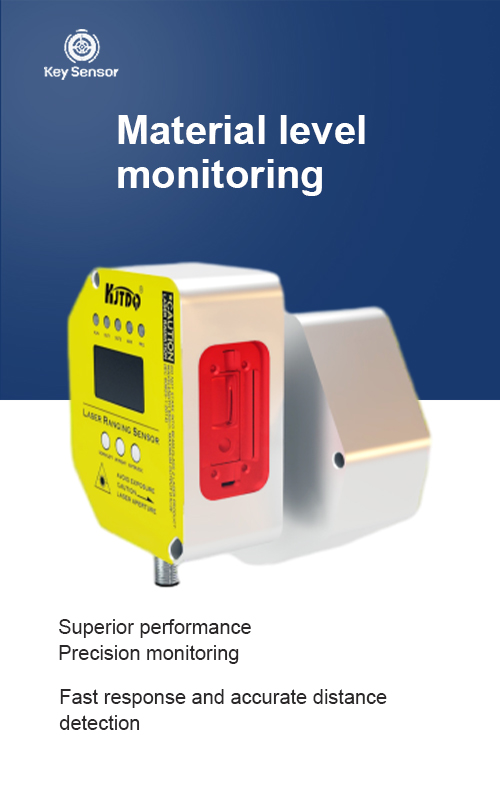
One of the most significant advantages of the Arduino Lidar Laser Sensor is its versatility. It can be used in a wide range of applications, from measuring the distance of objects in a room to monitoring the movement of vehicles or robots. For example, in a robotics project, the sensor can help a robot navigate its environment by detecting obstacles and adjusting its path accordingly.
The integration of the Arduino Lidar Laser Sensor into a project is straightforward. The sensor is typically connected to the Arduino board via a serial interface, and the data can be read and processed using standard Arduino code. This makes it an excellent choice for beginners who are just starting to explore the world of embedded systems.
Another important feature of the Arduino Lidar Laser Sensor is its ability to provide real-time data. This means that users can monitor the distance of objects in real time, which is crucial for applications such as autonomous vehicles or smart home devices. The sensor’s high-resolution output ensures that even small movements are detected with precision.
In addition to its technical benefits, the Arduino Lidar Laser Sensor also offers a range of practical applications. For instance, in a home automation project, the sensor can be used to detect the presence of people in a room, triggering lights or appliances as needed. In a security system, the sensor can help detect movement and alert the user to potential threats.
The Arduino Lidar Laser Sensor is also well-suited for educational purposes. It is a popular choice in classrooms and workshops where students are learning about sensor technology and programming. The open-source nature of the Arduino platform allows for easy modification and expansion, making it a valuable tool for both academic and practical training.
As the field of robotics and automation continues to evolve, the Arduino Lidar Laser Sensor remains at the forefront of innovation. Its combination of precision, versatility, and ease of use makes it an essential component for anyone looking to build smart, intelligent systems.
In conclusion, the Arduino Lidar Laser Sensor is a powerful tool that offers a range of benefits for both hobbyists and professionals. Whether you’re building a simple project or a complex robotic system, this sensor provides the precision and flexibility needed to succeed. Its integration into the Arduino ecosystem makes it an excellent choice for anyone looking to explore the world of embedded systems and sensor technology.











 +40729977919
  keysensor.ro@gmail.com




