Optical Sensor Technology in Laser Applications: Enhancing Precision and Efficiency
In today’s rapidly evolving industrial landscape, precision and efficiency are paramount. Among the various technologies that support these goals, optical sensors have emerged as critical components in a wide range of applications, particularly in the field of laser technology. The Optical Sensor Technology in Laser Applications: Enhancing Precision and Efficiency is not just a topic of interest—it is a driving force behind modern automation and advanced manufacturing. This article explores how optical sensors are being integrated into laser systems to improve accuracy, reduce errors, and optimize performance.
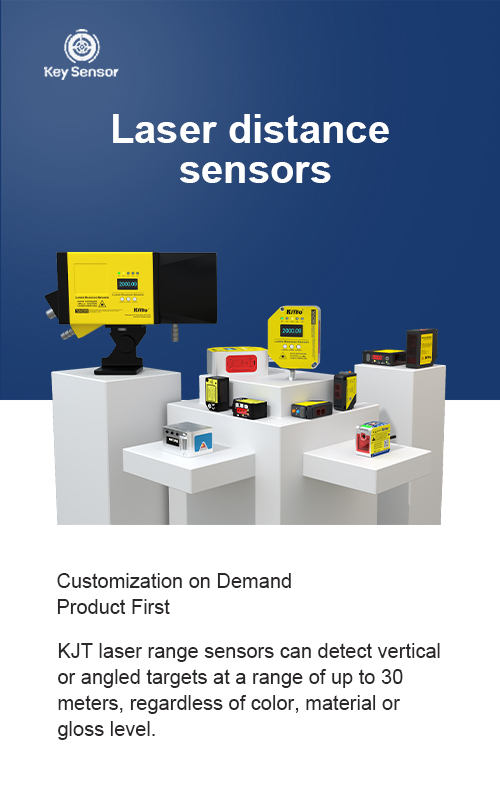
At the heart of laser applications lies the need for precise measurement and control. Optical sensors, especially those designed for laser use, provide an essential means of monitoring and adjusting laser parameters in real time. These sensors are often used in laser cutting, welding, and inspection systems, where small variations in laser intensity or direction can lead to significant differences in the output. By integrating high-accuracy optical sensors into laser systems, manufacturers can achieve greater consistency and reliability in their processes.
One of the key advantages of optical sensors in laser applications is their ability to detect and respond to changes in the environment. For example, in laser processing, sensors can monitor the material being processed and adjust the laser output accordingly. This dynamic response ensures that the laser operates at the optimal level, reducing energy waste and improving the quality of the final product. Additionally, optical sensors can be used to measure the distance between the laser and the workpiece, which is crucial for maintaining precise alignment and avoiding misalignments that could result in defective parts.
Another important aspect of optical sensor integration in laser systems is their role in enhancing safety and reliability. In industrial settings, where lasers are used for cutting, welding, or inspection, the ability to monitor and control the laser’s behavior in real time is essential. Optical sensors can detect overheating, vibration, or other anomalies that may indicate potential equipment failure. By continuously monitoring these parameters, operators can take proactive measures to prevent downtime and ensure the safety of both personnel and machinery.
Moreover, the use of optical sensors in laser applications is evolving with the advancement of technology. Modern optical sensors are becoming more compact, efficient, and capable of handling a wide range of wavelengths and environmental conditions. This evolution is enabling the development of more sophisticated laser systems that are not only more accurate but also more adaptable to different industrial needs. As industries continue to push for higher efficiency and lower costs, the role of optical sensors in laser technology is becoming increasingly vital.
In conclusion, optical sensors are playing a transformative role in laser applications, enhancing precision, efficiency, and reliability across various industries. As technology continues to advance, the integration of optical sensors into laser systems will likely become even more widespread, driving innovation and improving the overall performance of industrial processes. By leveraging the power of optical sensors, manufacturers can unlock new possibilities in automation, quality control, and sustainable production.











 +40729977919
  keysensor.ro@gmail.com




