Arduino Laser Sensor: Enhancing Robotics and Automation with Modulo Receptor Laser
In today’s rapidly evolving technological landscape, precision and reliability are key factors in the success of robotics, automation, and IoT projects. One of the most versatile components used in these systems is the Arduino Laser Sensor—a compact, high-accuracy device that enables precise distance detection. This article explores the role of the Arduino Laser Sensor, its integration with the Arduino platform, and its applications across various fields.
The Arduino Laser Sensor is a sensor that measures distance using laser technology. It operates by emitting a laser beam and measuring the time it takes for the beam to return after reflecting off an object. This time is then converted into a distance measurement, allowing the sensor to detect objects at a distance ranging from a few centimeters to several meters. The sensor is particularly useful in applications where non-contact measurement is required, such as in robotics, industrial automation, and even in consumer electronics.
The integration of the Arduino Laser Sensor with the Arduino platform is straightforward and user-friendly. Arduino provides a framework that allows for easy setup and programming of the sensor. Users can connect the sensor to the Arduino board using a standard header, and then write code to read and process the sensor’s output. The sensor’s digital output can be read using the digitalRead() function, and the analog output can be processed using analogRead() for more precise measurements.
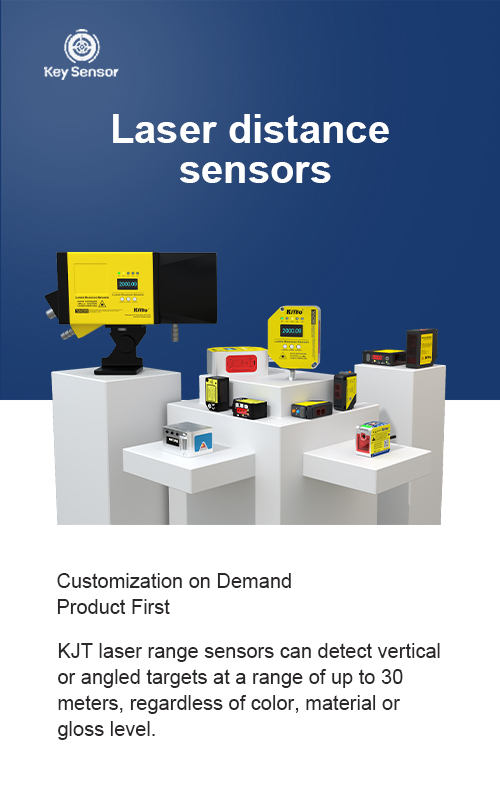
One of the significant advantages of the Arduino Laser Sensor is its high precision and reliability. Unlike traditional sensors that may be affected by environmental factors such as temperature or light reflection, the laser sensor provides consistent and accurate readings. This makes it ideal for applications where precise distance measurements are critical, such as in autonomous vehicles, robotics, and medical devices.
In robotics, the Arduino Laser Sensor plays a vital role in navigation and obstacle avoidance. By continuously measuring the distance to objects, the sensor helps robots detect and avoid obstacles in real-time. For example, in a robotic arm, the sensor can determine the distance to a target and adjust the arm’s movement accordingly. This ensures smooth and efficient operation, reducing the risk of collisions and improving overall performance.
Industrial automation also benefits greatly from the use of Arduino Laser Sensors. In manufacturing environments, these sensors are used to monitor the position of objects on conveyor belts, measure the distance between components, and detect any deviations. This enables automated systems to maintain high precision and efficiency, reducing the need for manual intervention and minimizing errors.
In the field of consumer electronics, the Arduino Laser Sensor is used in devices such as laser range finders, smart home systems, and even in gaming controllers. These sensors allow for accurate distance measurements, enhancing user experience and enabling more interactive and responsive devices.
Another important application is in medical devices and health monitoring systems. The sensor can be used to measure the distance between a patient and a medical device, ensuring safe and accurate operations. This is particularly useful in surgical robots, where precise distance measurements are essential for successful procedures.
Despite its benefits, the Arduino Laser Sensor is not without its challenges. One of the main limitations is its reliance on a clear line of sight. The sensor requires a direct path between the sensor and the object being measured, which can be a problem in environments with obstacles or reflective surfaces. Additionally, the sensor may be affected by temperature fluctuations, which can alter the accuracy of its readings.
To overcome these limitations, users can take several steps to ensure the sensor functions optimally. For instance, maintaining a stable environment, using a shield to protect the sensor from external interference, and calibrating the sensor regularly can significantly improve its performance.
In conclusion, the Arduino Laser Sensor is a powerful and versatile component that enhances the accuracy and reliability of various systems. Its integration with the Arduino platform makes it an excellent choice for robotics, automation, and consumer electronics. As technology continues to advance, the role of the Arduino Laser Sensor will only become more important, driving innovation and improving the efficiency of modern systems.











 +40729977919
  keysensor.ro@gmail.com




