LIDAR Scanner: The Future of Navigation and Object Detection
In today’s rapidly evolving technological landscape, the integration of advanced sensors has become crucial for enhancing the capabilities of autonomous systems, robotics, and smart environments. One of the most transformative technologies in this field is the LIDAR Scanner, a device that utilizes laser light to create high-resolution 3D maps of the surrounding environment. This article explores the role of LIDAR scanners in modern applications, their technical principles, and their significance in shaping the future of navigation and object detection.
A LIDAR Scanner operates by emitting laser pulses and measuring the time it takes for the light to return to the sensor after reflecting off objects. This process allows the scanner to generate precise data about the distance and shape of objects in its vicinity. The data collected is then processed to create detailed 3D models, which are widely used in applications such as autonomous driving, drone navigation, and indoor mapping.
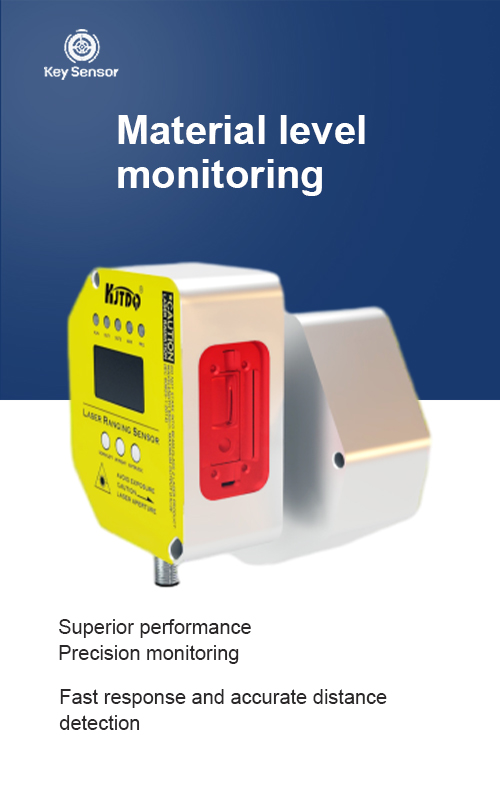
The LIDAR Scanner is often paired with other sensor technologies, such as SICK Laser Sensors and LiDAR Sensor systems, to provide a more comprehensive and accurate environment understanding. These sensors work in tandem to enhance the robustness and reliability of the data collected. For instance, SICK Laser Sensors are known for their high precision and adaptability, making them ideal for use in industrial and commercial settings. Meanwhile, LiDAR Sensor systems offer superior range and resolution, which is particularly valuable in applications requiring long-distance mapping and object detection.
One of the most significant advantages of LIDAR Scanners is their ability to operate in low-light conditions and adverse weather. Unlike cameras or radar, which can be affected by environmental factors, LIDAR scanners emit and receive laser light regardless of lighting conditions. This makes them highly reliable in applications such as autonomous vehicles, where visibility can be compromised. Additionally, the LIDAR Scanner provides real-time data, enabling systems to make instant decisions based on their surroundings. This real-time capability is essential for safety and efficiency in autonomous systems.
The integration of LIDAR Scanners with SICK Laser Sensors and LiDAR Sensors represents a significant advancement in sensor technology. These combinations not only improve the accuracy of data collection but also enhance the overall performance of autonomous systems. For example, in autonomous driving, the LIDAR Scanner provides precise spatial information, while SICK Laser Sensors ensure that the system can operate reliably in various environments. The synergy between these technologies ensures that systems can navigate complex and dynamic environments with high precision.
As the demand for intelligent and autonomous systems continues to grow, the role of LIDAR Scanners and their integration with other sensor technologies will become even more critical. The use of LIDAR Scanners in applications such as robotics, logistics, and augmented reality will further expand their impact. With ongoing advancements in sensor technology, the future of navigation and object detection looks promising, thanks to the power of LIDAR Scanners and their partners like SICK Laser Sensors and LiDAR Sensors.
In summary, LIDAR Scanners are not just a technological advancement but a vital component in the development of intelligent systems. Their ability to provide precise, real-time data makes them indispensable in a wide range of applications. As technology continues to evolve, the integration of LIDAR Scanners with other sensor technologies will play a crucial role in shaping the future of navigation and object detection.











 +40729977919
  keysensor.ro@gmail.com




