LIDAR Emitter Laser Sensor: The Future of Precision Measurement
LIDAR (Light Detection and Ranging) is a revolutionary technology that has transformed the way we measure and understand the world around us. At the heart of LIDAR systems lies the LIDAR emitter, a critical component that emits laser light to scan the environment. This emitted light interacts with the target object, reflecting back to the sensor for analysis. The LIDAR laser sensor then processes this reflected light to create precise 3D maps and spatial data.
The LIDAR emitter is not just a simple light source; it is a sophisticated component designed to deliver high-intensity, focused laser pulses. These pulses travel through the air, bounce off surfaces, and return to the sensor. The time it takes for the light to return is measured, and this time-of-flight is used to calculate the distance to the object. This process is repeatable and highly accurate, making LIDAR a reliable tool for a wide range of applications.
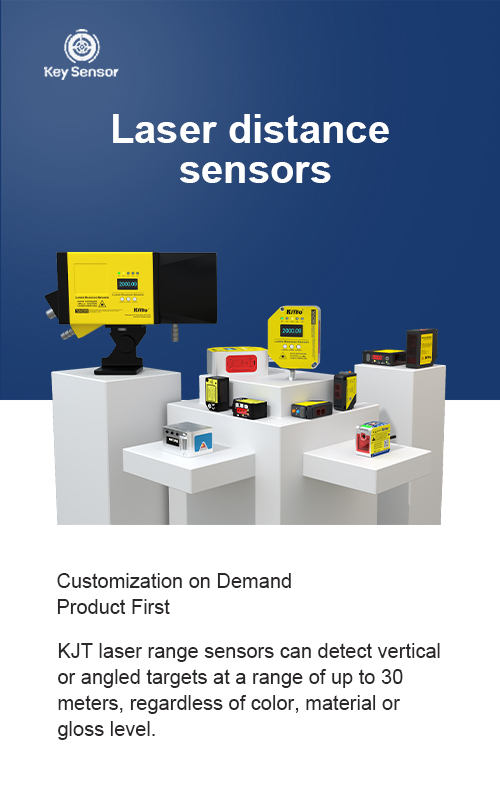
In addition to the emitter, the LIDAR laser sensor includes the detection system that receives and analyzes the reflected light. This system is equipped with advanced algorithms that process the data to generate detailed 3D models of the environment. The integration of the emitter and sensor allows for real-time data collection, which is essential in applications such as autonomous vehicles, environmental monitoring, and industrial automation.
One of the key advantages of LIDAR emitter and sensor systems is their ability to function in various environments, including adverse weather conditions. The laser light can penetrate through fog, rain, and dust, ensuring consistent performance. This makes LIDAR particularly useful in applications where traditional sensors may be less effective.
The importance of the LIDAR emitter cannot be overstated. It is the first step in the LIDAR process, and its performance directly affects the accuracy and reliability of the entire system. High-quality emitters are crucial for generating consistent and reliable data. Advances in emitter technology have led to more efficient and longer-lasting devices, which is a significant development in the field.
Similarly, the LIDAR laser sensor is a complex system that requires careful design and integration. Modern sensors are often equipped with multiple channels and advanced signal processing capabilities, enabling them to handle a wide range of data types. The integration of these components into a single unit has made LIDAR systems more compact and efficient.
As technology continues to evolve, the future of LIDAR emitter and laser sensor systems looks promising. Innovations in materials, signal processing, and data analysis are paving the way for more accurate, faster, and more versatile LIDAR applications. Whether it’s for mapping the surface of the Earth, monitoring environmental changes, or enabling autonomous vehicles, the role of the LIDAR emitter and sensor is becoming increasingly vital.
In conclusion, the LIDAR emitter and LIDAR laser sensor are essential components of modern sensing technology. Their integration allows for precise, real-time measurements that are crucial in a wide array of fields. As we look to the future, the continued development of these technologies will undoubtedly shape the way we interact with the world around us.











 +40729977919
  keysensor.ro@gmail.com




