Laser Break Beam Sensor for Arduino: Enhancing Precision and Automation in DIY Projects
In today’s rapidly evolving technological landscape, the integration of sensors into everyday devices has become more prevalent than ever. Among the many types of sensors available, the Laser Break Beam Sensor stands out for its precision, reliability, and versatility. This sensor is particularly well-suited for Arduino projects, offering a straightforward yet powerful way to detect changes in light intensity, which can be used to trigger actions in a variety of applications. Whether you’re building a smart home automation system, a motion detection device, or a custom sensor for a project, the Laser Break Beam Sensor can be a key component in achieving your goals.
The Laser Break Beam Sensor operates on the principle of light detection and measurement. It consists of a laser diode, a photodiode, and a beam splitter. When the laser beam is unobstructed, the photodiode detects the light and sends a signal to the microcontroller. However, when an object or material blocks the laser beam, the photodiode detects a drop in light intensity, which is then processed by the Arduino to trigger an action. This simple yet effective mechanism makes it ideal for applications where precise and reliable detection is required.
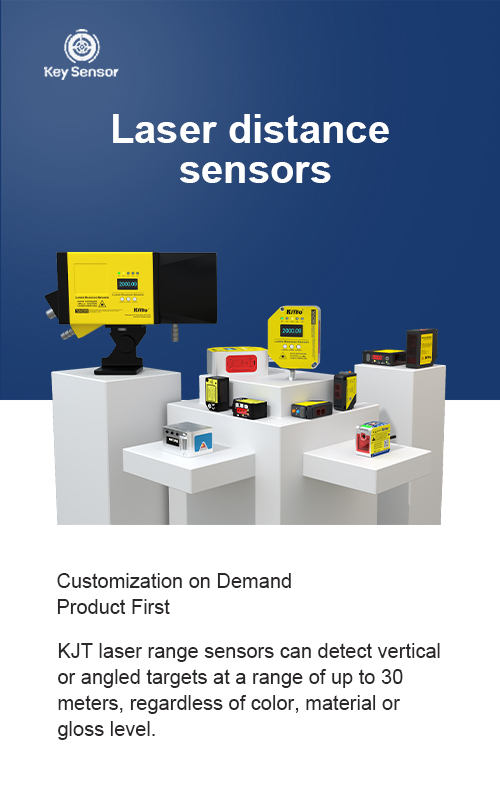
One of the most significant advantages of the Laser Break Beam Sensor is its ability to detect even small changes in light intensity. This makes it highly sensitive and suitable for detecting objects that are very close or moving. It is commonly used in Arduino projects for motion detection, object recognition, and environmental monitoring. For example, it can be used in a smart home system to detect movement and trigger lights or appliances, or in a robotics project to detect obstacles and enable autonomous navigation.
The integration of the Laser Break Beam Sensor with Arduino is straightforward, making it an accessible solution for both beginners and experienced makers. The sensor can be connected to the Arduino using a simple circuit, and the code can be written in a few lines to read the sensor input and trigger actions based on the detected light changes. This ease of use is a major factor in its popularity among hobbyists and professionals alike.
In addition to its practical applications, the Laser Break Beam Sensor also offers advantages in terms of accuracy and reliability. Unlike other types of sensors, such as photodiodes or IR sensors, the Laser Break Beam Sensor provides a more precise measurement of light intensity, which is crucial in applications where accuracy is essential. This makes it a preferred choice for projects that require high performance and reliability.
As the field of electronics and automation continues to evolve, the Laser Break Beam Sensor remains a valuable tool for developers and engineers. Its simplicity, precision, and versatility make it a must-have component for any project involving light detection and measurement. Whether you’re building a custom sensor, a smart home device, or an automated system, the Laser Break Beam Sensor can be a powerful ally in achieving your goals.
In conclusion, the Laser Break Beam Sensor is a valuable addition to any project that involves light detection and measurement. Its integration with Arduino is simple and effective, and its precision and reliability make it an ideal choice for a wide range of applications. With the right setup and code, you can harness the full potential of this sensor to create innovative and functional devices.











 +40729977919
  keysensor.ro@gmail.com




