Laser Detector Sensor Arduino: Enhancing Your Projects with Precision and Power
In today’s rapidly evolving technological landscape, the integration of advanced sensors into everyday devices has become more prevalent than ever. Among the many innovations in the field of electronics, the Laser Detector Sensor stands out as a powerful tool for detecting and measuring laser light. When combined with the Arduino platform, this sensor opens up a world of possibilities for users looking to create intelligent, responsive, and dynamic projects.
The Laser Detector Sensor is designed to detect the presence and intensity of laser light, making it ideal for applications such as laser safety monitoring, environmental sensing, and even in industrial automation. Unlike traditional light sensors, a laser detector is specifically tuned to detect the high-energy light emitted by lasers, which can be invisible to standard photoelectric sensors. This makes the Laser Detector Sensor a crucial component in scenarios where precise laser detection is required.
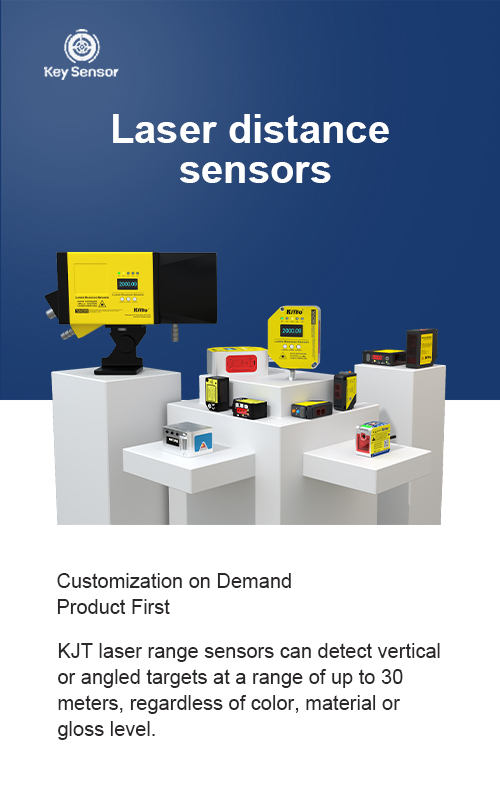
When paired with the Arduino, the capabilities of the Laser Detector Sensor are significantly enhanced. Arduino is a versatile open-source microcontroller platform that allows for easy integration with various sensors and actuators. With the right code and setup, users can create a wide range of projects that utilize the Laser Detector Sensor. For example, a simple project could involve detecting laser light and triggering an alert when a laser is present, or a more complex setup could involve using the sensor to monitor environmental conditions in a laboratory setting.
One of the key benefits of using the Laser Detector Sensor with Arduino is its simplicity and accessibility. The Arduino platform is well-suited for beginners, and the Laser Detector Sensor is designed to be user-friendly, making it an excellent choice for those new to sensor-based projects. The combination of these two tools enables users to create innovative solutions without the need for complex hardware or programming expertise.
Another important aspect of the Laser Detector Sensor is its versatility. It can be used in a variety of applications, from security systems and industrial monitoring to scientific research and entertainment. In security systems, the Laser Detector Sensor can detect unauthorized laser activity, providing an additional layer of protection. In industrial settings, it can be used to monitor the presence of laser sources, ensuring safety and efficiency.
The Laser Detector Sensor also offers high accuracy and sensitivity, which is essential in many applications. Its ability to detect even faint laser signals makes it suitable for use in environments where the laser light is weak or intermittent. This makes it an ideal choice for projects that require precise measurements and reliable data collection.
In addition to its technical capabilities, the Laser Detector Sensor and Arduino combination is user-friendly and easy to integrate. The Arduino platform has a vast community of developers and users who contribute to a wealth of resources and tutorials, making it easier for beginners to get started. The Laser Detector Sensor is also available in a range of models, allowing users to choose the one that best suits their specific needs.
In conclusion, the Laser Detector Sensor and Arduino together offer a powerful and flexible solution for a variety of applications. Whether you’re a hobbyist looking to create a simple project or an engineer working on a complex system, the combination of these two tools provides the precision, reliability, and versatility needed to succeed. By leveraging the strengths of both the Laser Detector Sensor and Arduino, you can unlock new possibilities and create innovative solutions that meet the demands of modern technology.











 +40729977919
  keysensor.ro@gmail.com




