High-Sensitivity Digital Reflectance Sensor with CMOS and Laser Technology: A New Era in Smart Sensing
In today’s fast-evolving technological landscape, the demand for high-precision, real-time sensing solutions has never been greater. At the heart of modern smart systems lies the ability to detect, measure, and respond to environmental changes with unparalleled accuracy. One of the most promising advancements in this field is the integration of High-Sensitivity Digital Reflectance Sensor (HSDDR) with CMOS and Laser Sensor technologies. This innovative combination is reshaping the way we interact with the physical world, offering a powerful blend of performance, efficiency, and versatility.
The HSDDR sensor is designed to capture and interpret light signals with exceptional sensitivity, making it ideal for applications ranging from environmental monitoring to industrial automation. Its CMOS (Complementary Metal-Oxide-Semiconductor) architecture enables low-power consumption, high-speed data acquisition, and robust image processing, ensuring reliable operation in a variety of conditions. Meanwhile, the laser sensor enhances the system’s ability to detect and measure light sources with high precision, providing an accurate and non-invasive means of data collection.
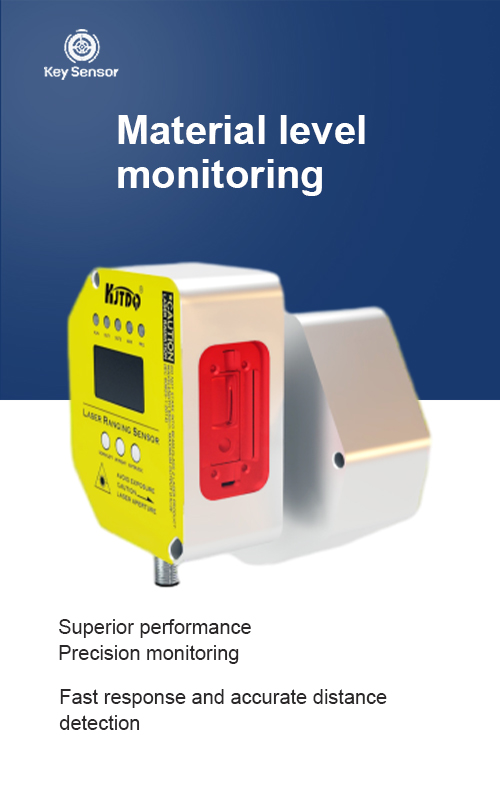
This synergy between HSDDR, CMOS, and laser sensor technologies creates a highly versatile and efficient sensing solution. The HSDDR sensor is particularly suited for applications where high sensitivity and low noise are critical, such as in medical imaging, environmental monitoring, and quality control. The CMOS integration ensures that the sensor can be easily integrated into a wide range of devices, from portable sensors to industrial systems. The laser sensor further enhances the system’s capabilities by enabling precise and repeatable measurements, which is essential in scientific research and industrial settings.
One of the key advantages of this sensor system is its high-resolution performance. By combining the high-sensitivity of the HSDDR with the high-speed processing of the CMOS, the system delivers real-time data with minimal latency. This makes it ideal for applications where quick and accurate responses are required, such as in autonomous systems, smart lighting, and wearable technology. Additionally, the laser sensor contributes to the accuracy and reliability of the system by allowing for precise measurement of light intensity and wavelength, which is crucial in many scientific and industrial applications.
The HSDDR sensor also offers multi-spectral capabilities, allowing it to detect and analyze light across a wide range of wavelengths. This is particularly useful in applications such as remote sensing, biomedical imaging, and environmental monitoring, where the ability to detect different types of light can provide valuable insights into the surrounding environment. The CMOS architecture supports multi-channel data acquisition, enabling the system to process multiple light sources simultaneously, which increases its flexibility and adaptability.
In addition to its performance, the HSDDR sensor is designed with energy efficiency in mind. The CMOS technology minimizes power consumption, making it ideal for battery-powered devices and systems that require long operational life. The laser sensor further enhances the system’s efficiency by reducing the need for external power sources, ensuring that the sensor remains functional in a wide range of environments.
The integration of HSDDR, CMOS, and laser sensor technologies is not only a technological breakthrough but also a significant step forward in the development of smart sensors. These sensors are becoming an essential part of modern technology, enabling a wide range of applications from industrial automation to healthcare and environmental monitoring.
As the demand for high-precision, real-time sensing continues to grow, the HSDDR sensor with its CMOS and laser sensor integration is poised to lead the way in the development of next-generation smart sensing systems. With its high sensitivity, energy efficiency, and multi-spectral capabilities, this technology is set to revolutionize the way we collect and interpret data in the modern world.











 +40729977919
  keysensor.ro@gmail.com




