ESP8266 with VL53L0X Laser Sensor: A Simple Guide to Integration and Use
The ESP8266 is a powerful and affordable microcontroller that is widely used in the Internet of Things (IoT) ecosystem. It is equipped with a variety of peripherals, including the VL53L0X laser distance sensor, which offers high-precision measurement capabilities. Combining these two components allows for the development of smart devices that can sense and respond to their environment. This article explores how to integrate and use the ESP8266 with the VL53L0X laser sensor, focusing on its practical applications and integration process.
The VL53L0X is a high-resolution, low-power laser distance sensor that measures distance with a precision of up to 1 mm. It is commonly used in applications such as robot navigation, industrial automation, and smart home devices. The ESP8266, on the other hand, is a popular choice for IoT projects due to its built-in Wi-Fi and Ethernet capabilities, allowing for wireless communication and data transmission. Together, they form a robust and versatile system that can be used in a wide range of applications.
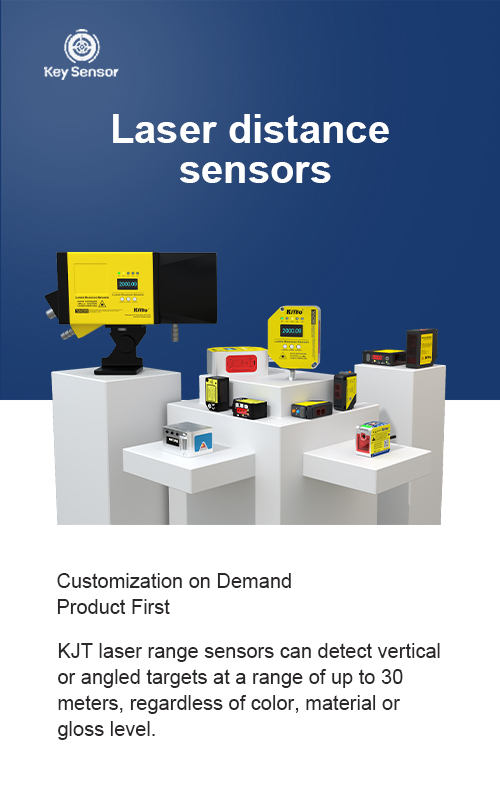
To integrate the ESP8266 with the VL53L0X, the first step is to connect the sensor to the microcontroller. The VL53L0X has a 3.3V power supply and a 5V input, so it is essential to use a voltage regulator to ensure stable power delivery. Once the power is connected, the sensor needs to be initialized and configured to operate in the desired mode. This involves setting up the I2C interface, which the ESP8266 supports, and ensuring the sensor is properly calibrated.
The next step is to read data from the VL53L0X using the ESP8266’s serial communication interface. The sensor provides a distance measurement in millimeters, which can be retrieved and displayed on the serial monitor. This data can then be used in various applications, such as controlling an LED light based on the distance of an object, or triggering an action when an object approaches a certain threshold.
One of the key advantages of using the ESP8266 with the VL53L0X is its compatibility with the Arduino framework. This makes it easy for developers to get started with the integration process. The VL53L0X’s datasheet provides detailed information on the required registers and commands, which can be used to write custom firmware for the ESP8266.
Another important aspect of this integration is the use of the ESP8266’s Wi-Fi capabilities. By connecting to a Wi-Fi network, the system can send the measured distance data to a server or a cloud service. This allows for remote monitoring and control of the system, making it ideal for applications such as smart home automation or environmental monitoring.
In addition to the basic integration, there are several advanced features that can be implemented. For example, the system can be programmed to trigger an alert or action when the distance is below a certain threshold. This could be used in a security system to detect objects near a sensor or in a smart garden to automatically water plants when a certain distance is reached.
The integration process is straightforward, but it requires attention to detail to ensure proper functionality. It is crucial to use the correct library and pin assignments for the VL53L0X, as any misconfiguration can lead to incorrect readings or system failure. Testing the system in a controlled environment is also recommended to ensure it works as expected before deploying it in a real-world scenario.
In conclusion, the combination of the ESP8266 and the VL53L0X laser sensor offers a powerful and flexible solution for a wide range of IoT applications. By understanding the integration process and leveraging the features of both components, developers can create innovative and practical devices that enhance the user experience. Whether it’s for a simple home automation project or a more complex industrial application, this integration provides a solid foundation for building intelligent and responsive systems.











 +40729977919
  keysensor.ro@gmail.com




