Displacement Sensor Omron Laser Sensor: Precision in Motion
In today’s fast-paced manufacturing and automation industries, precision is not just a feature—it’s a necessity. One of the most important tools in achieving this precision is the displacement sensor. Among the various types of displacement sensors available, the Omron laser sensor stands out as a reliable and high-performance solution. This article explores the key features, applications, and benefits of the Omron laser sensor, highlighting how it contributes to the efficiency and accuracy of modern industrial processes.
The Omron laser sensor is a type of displacement sensor that uses laser technology to measure the distance between a sensor and a moving object. Unlike traditional sensors that rely on physical contact, the Omron laser sensor operates non-intrusively, making it ideal for applications where maintenance and interference are concerns. The sensor emits a laser beam and measures the time it takes for the beam to return after reflecting off the object. This measurement is then converted into a distance value, allowing for precise monitoring and control.
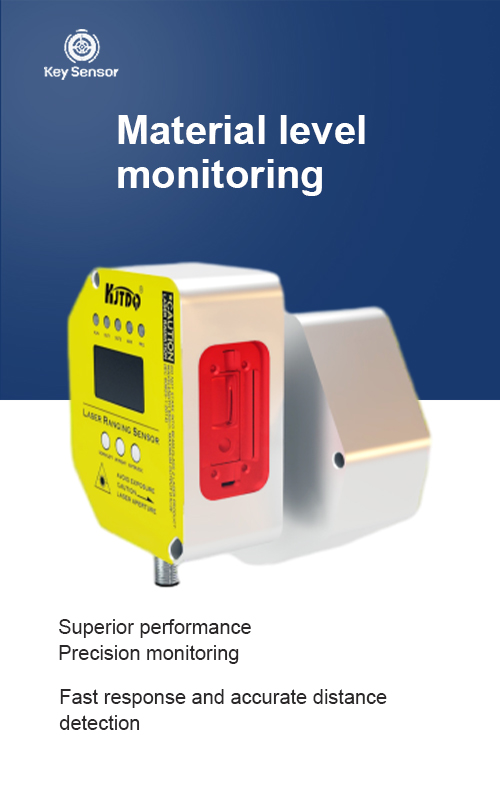
One of the primary advantages of the Omron laser sensor is its high accuracy and resolution. The laser technology enables the sensor to detect even the smallest movements, making it suitable for applications such as conveyor belt tracking, robotic arm positioning, and quality control systems. Its ability to operate in a wide range of environmental conditions, including high humidity, dust, and temperature fluctuations, ensures that it remains a versatile solution across various industries.
In terms of application, the Omron laser sensor is commonly used in automotive manufacturing, where it helps monitor the position of parts and ensure consistent assembly. It is also widely employed in agricultural machinery to track the movement of crop harvesting equipment, improving efficiency and reducing waste. Additionally, the sensor finds use in logistics and warehousing, where it is used to track the movement of goods in conveyor systems, enabling real-time monitoring and inventory management.
Another key benefit of the Omron laser sensor is its reliability and low maintenance. Since it does not require any physical contact with the object being measured, it is less prone to wear and tear, reducing the need for frequent calibration or replacement. This makes it a cost-effective solution for long-term use in industrial environments.
Moreover, the Omron laser sensor is easily integrable into existing systems. Its compatibility with various industrial control systems and its support for multiple communication protocols make it a flexible choice for manufacturers looking to upgrade their automation infrastructure. The sensor’s user-friendly interface and intuitive software also contribute to its ease of use and adoption in diverse operational settings.
In conclusion, the Omron laser sensor represents a significant advancement in displacement sensor technology. Its combination of high accuracy, reliability, and versatility makes it an essential tool in modern manufacturing and automation. As industries continue to evolve, the integration of advanced sensors like the Omron laser sensor will play a crucial role in achieving higher productivity and precision.











 +40729977919
  keysensor.ro@gmail.com




