Arduino Laser Transmitter and Sensor: A Comprehensive Guide for Beginners
In the world of electronics and robotics, the Arduino platform has become a go-to tool for hobbyists and professionals alike. One of the more exciting applications of the Arduino is in the realm of laser technology, where it can be used to create a simple yet effective laser transmitter and sensor system. This guide will provide an overview of how to build and use an Arduino-based laser transmitter and sensor setup, making it a great project for those interested in embedded systems and laser engineering.
The Arduino laser transmitter is a device that emits a laser beam, typically through a laser diode, and can be controlled by the Arduino microcontroller. The sensor, on the other hand, is used to detect the presence or intensity of the laser beam, often using a photodiode or phototransistor. Together, these components form a basic laser communication or sensing system.
To build a laser transmitter and sensor with Arduino, you will need the following components:
The process of building the system involves connecting the laser diode to the Arduino and then connecting the photodiode to the sensor. The Arduino will control the laser transmitter by switching the diode on and off, and the sensor will provide feedback on the presence or intensity of the laser beam.
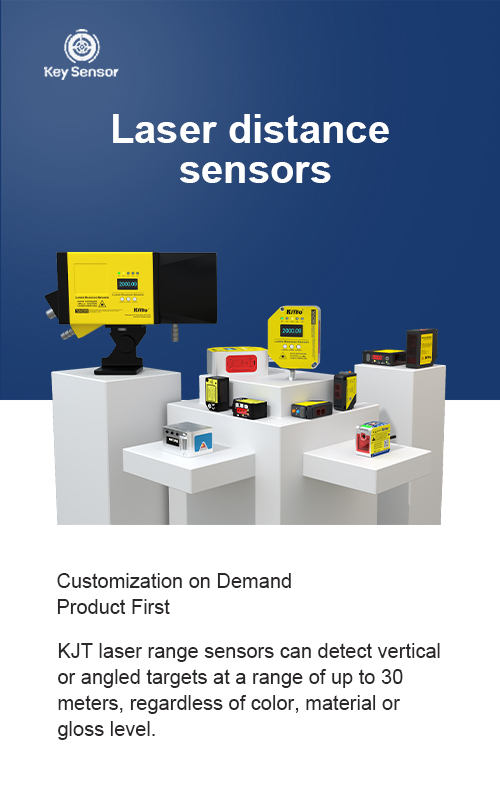
One of the key aspects of this project is the use of the Arduino’s digital output pins to control the laser. By setting the pin to HIGH, the laser is activated, and the pin is set to LOW to deactivate it. The sensor, connected to a digital pin, will read the state of the laser and provide a signal to the Arduino, which can be used to control the system further.
The laser transmitter can be used in various applications, such as:
Each of these applications requires a different setup and configuration, but the basic principles remain the same. The sensor is crucial in these applications as it allows for real-time monitoring of the laser’s activity.
In terms of programming, the Arduino environment is highly user-friendly, with libraries such as the Adafruit Laser Sensor library simplifying the process. These libraries provide functions for controlling the laser and reading sensor data, making it easier for beginners to get started.
One of the main advantages of using an Arduino for laser projects is its flexibility and ease of use. Unlike more complex microcontrollers, the Arduino is designed for simplicity, allowing users to focus on the functionality of their project rather than the intricacies of the microcontroller itself.
When building the system, it is important to consider the power supply and the stability of the laser diode. A stable power supply is essential to ensure consistent performance, and the choice of laser diode should be based on the intended application. For example, a red laser diode is often used for general-purpose applications, while a green laser diode may be preferred for more precise applications.
The sensor is also an important component in the system. It should be properly calibrated to ensure accurate readings. This involves testing the sensor under different conditions and adjusting the circuit to optimize its performance.
In conclusion, the Arduino laser transmitter and sensor system offers a powerful and flexible solution for a variety of applications. Whether you’re looking to create a simple laser communication system or a more complex laser engraving setup, the Arduino provides a reliable and easy-to-use platform. By understanding the basic components and their functions, you can create a system that meets your specific needs and provides valuable insights into the world of laser technology.
The integration of the Arduino with laser components opens up a world of possibilities for innovation and experimentation. With the right setup and programming, you can create a system that not only works but also provides meaningful data and real-time feedback. This makes the Arduino laser transmitter and sensor a valuable tool for anyone interested in the intersection of electronics, robotics, and laser technology.





















 +40729977919
  keysensor.ro@gmail.com


