Arduino Range Finder with Laser Sensor: Precision and Innovation in Robotics and Automation
In today’s rapidly evolving technological landscape, precision and accuracy are paramount in robotics, automation, and sensor-based systems. One of the most innovative tools that has gained traction in recent years is the Arduino range finder with laser sensor, a device that combines the power of the Arduino microcontroller with the advanced capabilities of a laser sensor. This integration enables a wide range of applications, from industrial automation to consumer electronics, offering a reliable and efficient solution for distance measurement.
The Arduino range finder with laser sensor is designed to measure distances with remarkable precision, typically in the range of centimeters to meters. At its core, the device uses a laser transmitter to emit a beam of light and a sensor to detect the reflection of that beam. The time it takes for the laser to return to the sensor is used to calculate the distance, a method known as time-of-flight (TOF). This approach is not only accurate but also robust, even in challenging environments where traditional methods might fail.
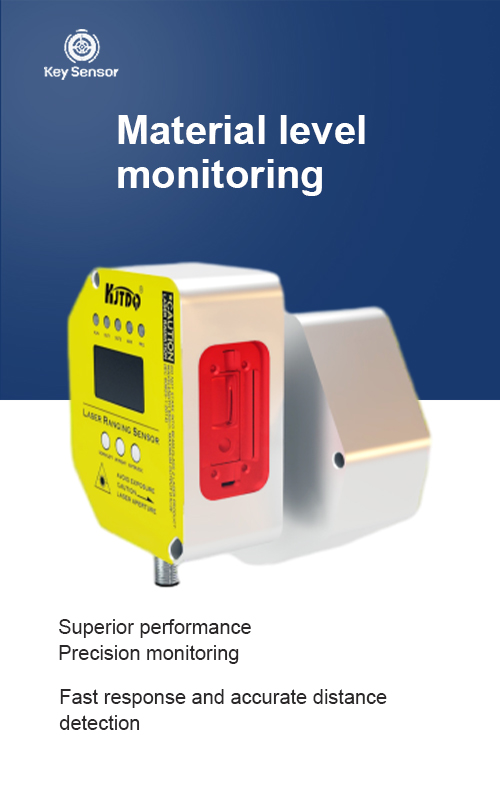
One of the standout features of this device is its compatibility with the Arduino platform. The Arduino ecosystem, known for its simplicity and flexibility, allows developers to easily integrate the range finder into their projects. This makes it an ideal choice for hobbyists, engineers, and professionals looking to build smart devices without the complexity of more advanced systems. With support for a variety of Arduino boards, users can tailor the device to their specific needs, whether it’s a simple robotics project or a complex industrial automation system.
The laser sensor component plays a crucial role in the accuracy and reliability of the range finder. High-quality lasers ensure that the emitted beam is strong and consistent, minimizing measurement errors. Additionally, the sensor is calibrated to detect light reflections efficiently, even in low-light conditions. This makes the device suitable for use in a variety of settings, including outdoor environments, indoor labs, and even space applications.
The Arduino range finder with laser sensor is not just about measurement—it’s about intelligent control and automation. By integrating the range finder with other sensors and microcontrollers, developers can create systems that respond dynamically to environmental changes. For example, in a robotics application, the range finder can help a robot navigate through a space, avoiding obstacles and maintaining a safe distance. Similarly, in a home automation system, it can detect the presence of objects and trigger appropriate actions, such as opening a door or turning on a light.
Beyond its technical capabilities, the Arduino range finder with laser sensor is also a great example of innovation in embedded systems. Its ease of use, combined with the versatility of the Arduino platform, makes it a popular choice for both educational and professional projects. Whether you are a student learning the fundamentals of embedded systems or an engineer working on advanced automation projects, this device offers a powerful and accessible solution.
In conclusion, the Arduino range finder with laser sensor represents a significant advancement in distance measurement technology. Its integration of the Arduino microcontroller with a high-precision laser sensor enables precise, reliable, and flexible applications across multiple fields. As technology continues to evolve, the importance of such devices will only grow, making them a valuable asset in the development of smart and connected systems.





















 +40729977919
  keysensor.ro@gmail.com


