Arduino Laser Beam Break Sensor: A Cost-Effective Solution for Home Automation
In today’s smart home ecosystem, sensors play a crucial role in monitoring and controlling various environments. One such innovative sensor is the Arduino-based laser beam break sensor, which offers a unique and efficient way to detect motion or obstruction in a controlled area. This article explores how an Arduino laser beam break sensor can be used in home automation, its working principle, and its advantages over traditional sensors.
The laser beam break sensor is a type of optical sensor that uses a laser beam to detect movement or obstruction. When the laser beam is interrupted, the sensor triggers an action, such as activating a light, alerting a user, or triggering a motor. This makes it ideal for applications like motion detection, security monitoring, and environmental control.
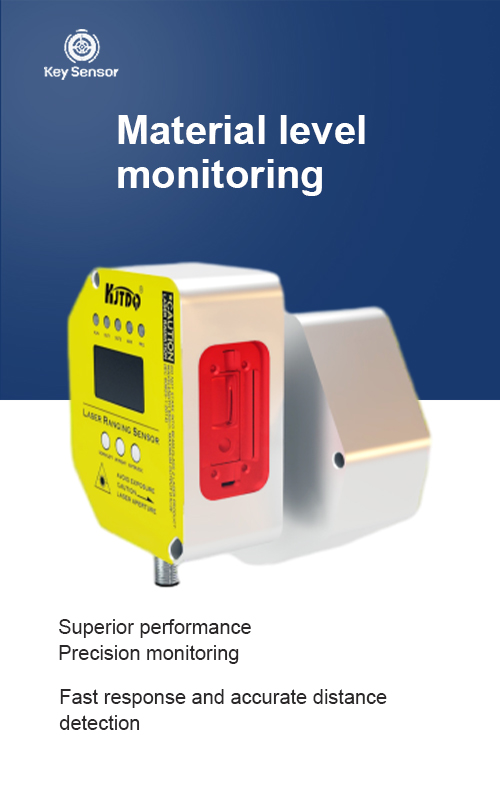
At its core, the Arduino laser beam break sensor consists of a laser source, a photodetector, and an Arduino microcontroller. The laser emits a narrow beam of light, which is reflected back to the photodetector. If the beam is obstructed by an object, the photodetector detects the change in light intensity and sends a signal to the Arduino, which then processes the data and takes appropriate action.
The Arduino microcontroller is the brain of the system. It receives the signal from the photodetector, processes it, and executes the desired function. For example, if the laser beam is broken, the Arduino can activate a LED, turn on a motor, or send a notification via a smartphone app. The flexibility of the Arduino makes it easy to customize the sensor for various applications.
One of the main advantages of using an Arduino laser beam break sensor is its cost-effectiveness. Compared to more complex systems that require sophisticated hardware, the Arduino-based approach is both affordable and easy to implement. This makes it an excellent choice for home automation projects, especially for those who are just starting out.
Another benefit is the high sensitivity of the laser beam. The sensor can detect even small movements or obstructions, making it ideal for applications such as security monitoring, fire detection, and environmental control. The precision of the laser allows for accurate detection, reducing false triggers and improving overall reliability.
In addition to its functionality, the Arduino laser beam break sensor is also highly customizable. Users can adjust the sensitivity, delay, and response time of the sensor to suit their specific needs. This level of customization ensures that the sensor can be adapted to a wide range of applications, from simple home automation to more complex industrial systems.
For those interested in building their own sensor system, the Arduino platform provides a powerful and flexible solution. With a variety of components and libraries available, users can easily integrate the laser beam break sensor into their projects. Whether it’s a simple motion detector or a more advanced security system, the Arduino-based approach offers a reliable and efficient solution.
In conclusion, the Arduino laser beam break sensor is a powerful and versatile tool for home automation and environmental monitoring. Its ability to detect movement or obstruction with high accuracy, combined with its cost-effectiveness and flexibility, makes it an ideal choice for a wide range of applications. By leveraging the power of the Arduino microcontroller, users can create efficient and reliable systems that enhance the smart home experience.





















 +40729977919
  keysensor.ro@gmail.com


