Laser Sensor Integration in Industrial Automation: Enhancing Precision and Efficiency
In today’s fast-paced industrial landscape, the integration of advanced sensors has become a critical factor in improving operational efficiency and product quality. Among the various types of sensors used in manufacturing, Laser Sensor plays a pivotal role in ensuring precise measurements and real-time data collection. The Allen Bradley Laser Sensor is a prime example of how modern technology is transforming industrial automation. This article explores the key features, applications, and benefits of the Allen Bradley Laser Sensor, emphasizing its role in enhancing precision, reliability, and overall system performance in industrial environments.
The Allen Bradley Laser Sensor is designed to detect and measure the presence or absence of an object, typically using laser technology to create a beam that reflects off the target. This non-contact method ensures minimal interference from physical obstructions, making it highly reliable in demanding industrial settings. The sensor is commonly used in applications such as material handling, automated inspection, and quality control systems. By providing accurate and consistent readings, it enables manufacturers to maintain high standards of production and reduce waste.
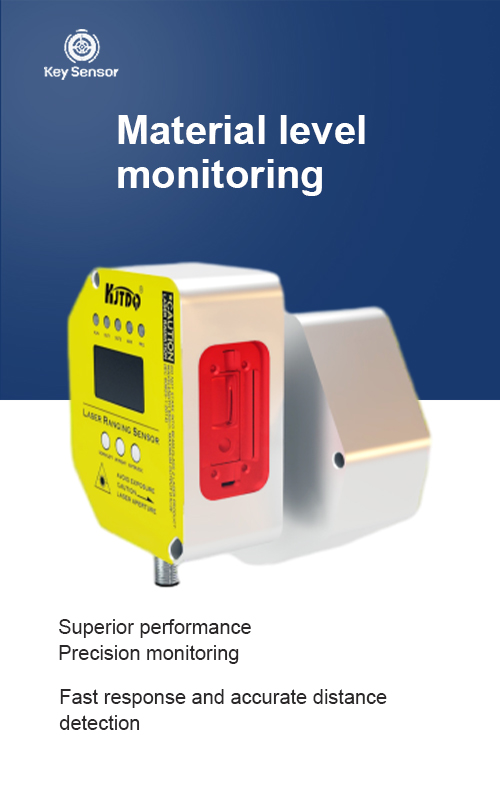
One of the most significant advantages of the Allen Bradley Laser Sensor is its high precision and minimal maintenance requirements. Unlike traditional sensors that may require frequent calibration or cleaning, the laser sensor operates continuously with minimal user intervention. This not only reduces operational costs but also ensures that the system remains efficient and responsive. Furthermore, the sensor’s ability to work in harsh environments, such as high-temperature or high-moisture conditions, makes it an ideal choice for industries where traditional sensors may not perform optimally.
Another key benefit of the Allen Bradley Laser Sensor is its versatility. It can be integrated into a wide range of industrial systems, from simple conveyor belt monitoring to complex automated manufacturing lines. The sensor’s compatibility with various control systems and communication protocols allows it to work seamlessly with existing infrastructure, making it a valuable addition to any industrial automation project. Additionally, its ability to provide real-time data enables operators to make informed decisions quickly, improving overall productivity and reducing downtime.
In addition to its technical advantages, the Allen Bradley Laser Sensor also contributes to safety and reliability in industrial environments. By providing accurate measurements, it helps prevent errors and ensures that processes remain within specified parameters. This is particularly important in applications where precision is critical, such as in medical equipment manufacturing or in the production of high-value components. The sensor’s reliability reduces the risk of malfunctions and enhances the overall safety of the production line.
As industrial automation continues to evolve, the role of advanced sensors like the Allen Bradley Laser Sensor becomes increasingly important. Its ability to provide high-precision measurements, minimal maintenance, and seamless integration with existing systems makes it a valuable asset for manufacturers looking to improve efficiency and quality. By leveraging the power of laser technology, industries can achieve greater accuracy, reduce costs, and enhance their competitive edge in the global market.
In summary, the Allen Bradley Laser Sensor is a critical component in modern industrial automation, offering unparalleled precision and reliability. Its integration into various systems not only improves operational efficiency but also ensures the safety and quality of production processes. As technology continues to advance, the importance of such sensors will only grow, making them an essential tool for any industrial operation seeking to stay at the forefront of innovation.





















 +40729977919
  keysensor.ro@gmail.com


