360° Lidar Sensor for Arduino: A Comprehensive Guide to Integration and Applications
The 360° LiDAR sensor is a revolutionary device that has transformed how we perceive and interact with the environment. Designed for use with the Arduino platform, it offers a powerful combination of precision, speed, and versatility. This article explores the capabilities of the 360° LiDAR sensor, its integration with Arduino, and its diverse applications in robotics, autonomous vehicles, and environmental sensing.
Understanding the 360° LiDAR Sensor
A 360° LiDAR sensor is a laser-based measurement device that emits a laser beam in all directions and measures the time it takes for the light to return to the sensor. This process creates a 3D map of the surrounding environment. Unlike traditional LiDAR sensors that focus on a single direction, the 360° version provides a full 360-degree view, making it ideal for applications that require a precise spatial understanding of the surroundings.
Arduino Integration with 360° LiDAR
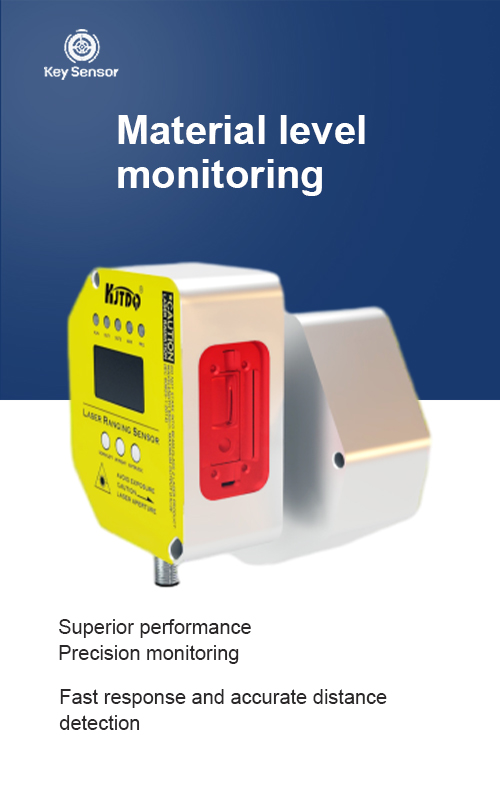
Arduino is a popular open-source platform used for electronics and software development. The 360° LiDAR sensor can be easily integrated with Arduino through appropriate hardware interfaces and software libraries. The sensor typically connects to the Arduino via a serial communication port and can be programmed using the Arduino IDE. Developers can use the sensor to collect data about distances, objects, and environmental conditions in real time.
Key Features of the 360° LiDAR Sensor
Applications of 360° LiDAR Sensor in Arduino Projects
The 360° LiDAR sensor finds applications in numerous projects, including:
Case Study: Autonomous Robot Navigation
Consider an autonomous robot designed to navigate a warehouse. The 360° LiDAR sensor continuously scans the environment, creating a detailed map of the space. The robot uses this data to avoid obstacles, optimize routes, and perform tasks with precision. The integration with Arduino allows for real-time data processing, ensuring the robot operates efficiently in dynamic environments.
Conclusion
The 360° LiDAR sensor, when integrated with the Arduino platform, offers a powerful solution for a wide range of applications. Its high precision, real-time data processing, and versatility make it an essential component in modern robotics and automation. As technology continues to advance, the role of the 360° LiDAR sensor will only become more significant, driving innovation in various fields.
Key Points:
The 360° LiDAR sensor is not just a tool; it is a gateway to new possibilities in automation and robotics. With the right integration and configuration, it can transform the way we interact with the world around us.





















 +40729977919
  keysensor.ro@gmail.com


