Laser Distance Sensor: Precision, Efficiency, and Innovation in Modern Automation
In today’s fast-paced manufacturing and industrial environments, precision and efficiency are the cornerstones of successful operations. One of the most versatile and widely used tools in this domain is the Panasonic Laser Distance Sensor. Designed for high-performance applications, these sensors offer a combination of accuracy, speed, and adaptability that is essential for modern automation systems.
A Panasonic Laser Distance Sensor operates by emitting a laser beam and measuring the time it takes for the beam to reflect back from an object. This time measurement is then converted into a distance value, providing highly accurate distance readings. The sensor’s ability to measure distances with minimal error makes it an ideal choice for applications where precision is critical, such as in robotic arms, automated guided vehicles (AGVs), and quality control systems.
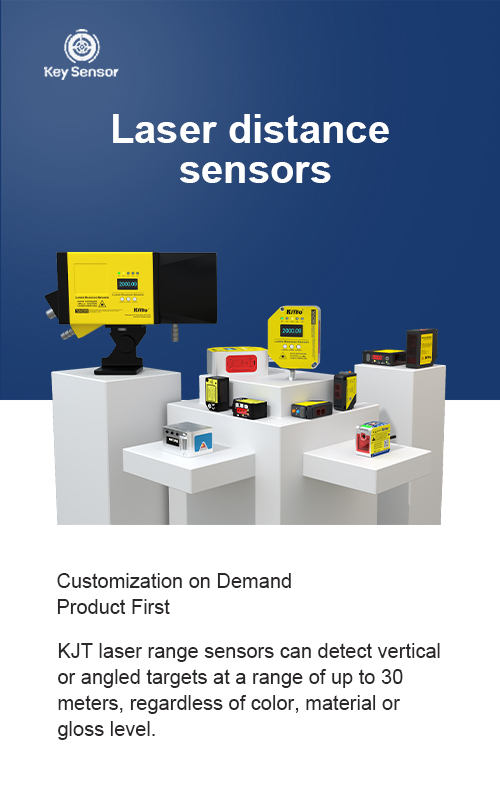
One of the key advantages of Panasonic Laser Distance Sensors is their non-contact measurement capability. Unlike traditional sensors that may require physical contact with the object being measured, these sensors operate without any direct interaction, reducing the risk of damage to the object and minimizing maintenance costs. This non-contact feature is particularly beneficial in environments where delicate or fragile items are handled, such as in food processing or electronics manufacturing.
Another notable feature of these sensors is their high accuracy and reliability. The Panasonic Laser Distance Sensor is equipped with advanced signal processing algorithms that enhance the accuracy of distance calculations, even in challenging conditions. This makes them suitable for use in dynamic environments where objects may move or change position rapidly.
Moreover, Panasonic Laser Distance Sensors are designed for easy integration into existing automation systems. Their modular design and compatibility with various industrial protocols allow for seamless integration with existing machinery and software, ensuring that the sensor can be deployed without significant modifications to the overall system.
In addition to their technical advantages, Panasonic Laser Distance Sensors also offer cost-effectiveness. While the initial investment may be higher compared to some other types of sensors, the long-term benefits of reduced maintenance and increased operational efficiency make them a cost-effective solution for many industries.
As industries continue to evolve and adopt more advanced automation technologies, the role of Panasonic Laser Distance Sensors becomes increasingly important. Their ability to provide precise, reliable, and non-contact measurements makes them a valuable asset in modern manufacturing and industrial settings.
In summary, Panasonic Laser Distance Sensors are more than just tools—they are essential components of modern automation systems. With their high accuracy, reliability, and ease of integration, they offer a practical and efficient solution for a wide range of industrial applications. Whether it’s in robotic automation, quality control, or material handling, these sensors are a key enabler of precision and efficiency in today’s manufacturing environment.





















 +40729977919
  keysensor.ro@gmail.com


