Optimizing Performance: The Role of B110 Laser Receiver and Laser Sensor in Modern Industrial Applications
In today’s rapidly evolving industrial landscape, the integration of advanced sensors and receivers has become critical for enhancing operational efficiency and precision. Among these, the B110 laser receiver and laser sensor stand out as key components in various applications, from robotics to material handling and quality control. This article explores how these technologies are revolutionizing industrial workflows and why they are essential for modern manufacturing.
The B110 laser receiver is a pivotal device in applications where precise distance measurement is required. It works by detecting the laser beam emitted by a laser sensor, allowing for accurate positioning and navigation. In robotics, for instance, the receiver enables autonomous movement, ensuring that machines can operate with high precision and minimal error. Similarly, in material handling systems, the B110 laser receiver helps in aligning components with exactness, improving productivity and reducing waste.
On the other hand, the laser sensor plays a crucial role in detecting and analyzing objects or surfaces. It emits a laser beam and measures the intensity of the reflected light, providing information about the object’s position, size, and material properties. This makes it an invaluable tool in quality control processes, where it can detect defects or variations in product characteristics with remarkable accuracy. In addition, laser sensors are widely used in safety monitoring systems, ensuring that machines operate in a safe and controlled environment.
The synergy between the B110 laser receiver and laser sensor is essential for achieving optimal performance in industrial applications. Together, they form a reliable and efficient system that supports real-time data collection and analysis. The receiver ensures that the sensor can detect and respond to changes in its environment, while the sensor provides the necessary data for decision-making. This integration is particularly beneficial in dynamic environments where quick and accurate responses are required.
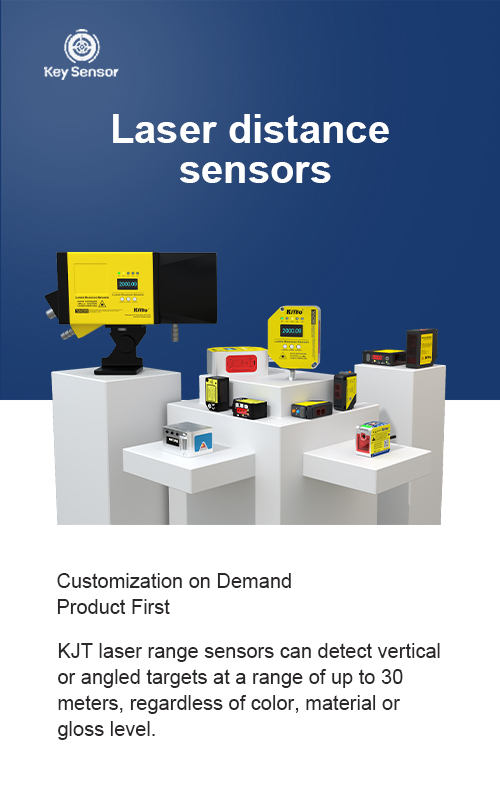
Key Advantages of B110 Laser Receiver and Laser Sensor
One of the primary advantages of the B110 laser receiver is its high precision and reliability. Unlike traditional measurement methods, laser technology offers unparalleled accuracy, making it ideal for applications where exactness is critical. This is especially important in industries such as automotive manufacturing, where even minor deviations can affect the quality of the final product.
Another significant benefit is the versatility of these devices. They can be adapted to various industrial settings, from small-scale operations to large manufacturing plants. Whether it’s for monitoring a single workstation or managing an entire production line, the B110 laser receiver and sensor offer a scalable solution that meets diverse needs.
Moreover, the integration of these technologies into existing systems is seamless. They can be easily installed and configured, reducing the need for extensive modifications to existing infrastructure. This makes them an attractive option for businesses looking to upgrade their equipment without significant investment.
Real-World Applications
In robotics, the B110 laser receiver is commonly used in autonomous navigation systems. These systems rely on the laser sensor to create a 3D map of the environment, allowing robots to move accurately and efficiently. This is particularly useful in warehouses and manufacturing facilities where robots need to perform delicate tasks without human intervention.
In the field of material handling, the B110 laser receiver and sensor are employed to ensure precise alignment of components. For example, in assembly lines, the sensor can detect the position of a component and guide the robot to place it correctly, minimizing the risk of errors and improving overall efficiency.
In quality control, the laser sensor is used to inspect products for defects. It can detect surface irregularities, color variations, and other imperfections with high accuracy, ensuring that only high-quality products reach the market.
Conclusion
The B110 laser receiver and laser sensor are essential components in modern industrial applications, offering precision, reliability, and versatility. Their integration into various systems enhances productivity and ensures quality control. As industries continue to evolve, the role of these technologies will only become more critical. By leveraging the power of laser technology, businesses can achieve higher efficiency and better outcomes in their operations.





















 +40729977919
  keysensor.ro@gmail.com


