Arduino Laser Range Finder: Enhancing Precision in Robotics and Automation
The Arduino Laser Range Finder is a powerful tool that combines the precision of laser technology with the flexibility of an open-source microcontroller. Designed for beginners and advanced users alike, this device enables precise distance measurement in a variety of applications, from robotics to industrial automation. With its simple interface and ease of integration, the Arduino Laser Range Finder has become a staple in the field of embedded systems and automation.
At the heart of the Arduino Laser Range Finder is a laser sensor that emits a beam of light and measures the time it takes for the light to return after reflecting off an object. This time is then converted into a distance measurement, providing a highly accurate reading. The sensor is typically mounted on a small PCB, making it easy to integrate into existing projects. The Arduino board, which is compatible with a wide range of programming languages, allows users to process the sensor data and control the system accordingly.
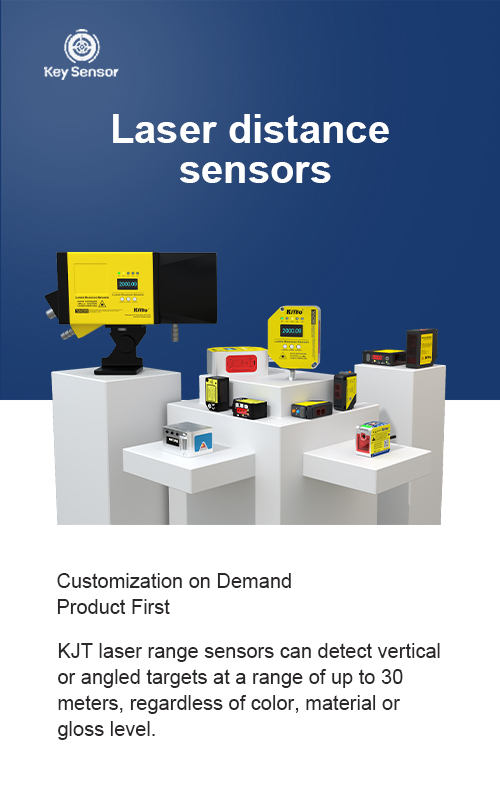
One of the key advantages of the Arduino Laser Range Finder is its versatility. It can be used to measure distances in real-time, making it ideal for applications such as autonomous robots, object detection systems, and even in-home automation. For example, in a robotic arm, the laser range finder can help the robot identify and grasp objects with high precision. In industrial settings, it can monitor the position of parts on a conveyor belt or track the movement of machinery.
The integration of the Arduino Laser Range Finder into a project is straightforward. Users can connect the sensor to the Arduino board using the standard I2C or SPI interface, and then write code to read the sensor data and process it. The code can be customized to suit specific applications, such as adjusting the sensitivity of the sensor or implementing different data processing algorithms. This flexibility allows developers to tailor the device to their specific needs, making it a valuable asset in a wide range of projects.
Another important aspect of the Arduino Laser Range Finder is its accuracy. Laser sensors are known for their high precision, and the Arduino version is no exception. The device can measure distances with a resolution that is often finer than that of traditional ultrasonic sensors, making it suitable for applications requiring high precision. This accuracy is especially beneficial in environments where small measurements are critical, such as in medical devices or precision manufacturing.
In addition to its technical capabilities, the Arduino Laser Range Finder is also user-friendly. The Arduino development environment is well-documented and provides extensive resources for users looking to get started. The community around the Arduino platform is active and supportive, offering tutorials, forums, and example projects that can help users overcome common challenges. This support network ensures that even those with limited experience can successfully implement the device in their projects.
The Arduino Laser Range Finder is not just a tool for technical applications; it also has potential in creative and educational contexts. For students and educators, it serves as a great platform for learning about sensor integration, data processing, and embedded systems. The simplicity of the Arduino platform makes it an excellent choice for teaching these concepts in a practical and engaging way.
In conclusion, the Arduino Laser Range Finder is a versatile and precise device that offers a wide range of applications across various fields. Its integration with the Arduino platform, ease of use, and high accuracy make it a valuable asset for both professionals and hobbyists. Whether you’re working on a robotics project, an industrial automation system, or a creative application, the Arduino Laser Range Finder is an essential component that can enhance your project’s performance and accuracy.





















 +40729977919
  keysensor.ro@gmail.com


