Baumer Distance Sensor & Laser Sensor: Enhancing Precision in Industrial Automation
In today’s rapidly evolving industrial landscape, precision and reliability are paramount. Among the key technologies that drive efficiency and accuracy in manufacturing and automation, Baumer distance sensors and laser sensors stand out as indispensable tools. These sensors are not only vital for quality control but also play a critical role in ensuring seamless operation in various industrial applications. This article explores the features, benefits, and applications of Baumer distance and laser sensors, emphasizing how they contribute to modern industrial automation.
What Are Baumer Distance Sensors?
Baumer distance sensors are designed to measure the distance between a sensor and a moving object. They operate based on principles such as ultrasonic, optical, and magnetic detection. These sensors are widely used in assembly lines, conveyor systems, and material handling equipment to monitor the position of parts and ensure they meet specific dimensional requirements. Their ability to provide continuous, real-time data makes them ideal for applications where precision is critical.
How Do Laser Sensors Work?
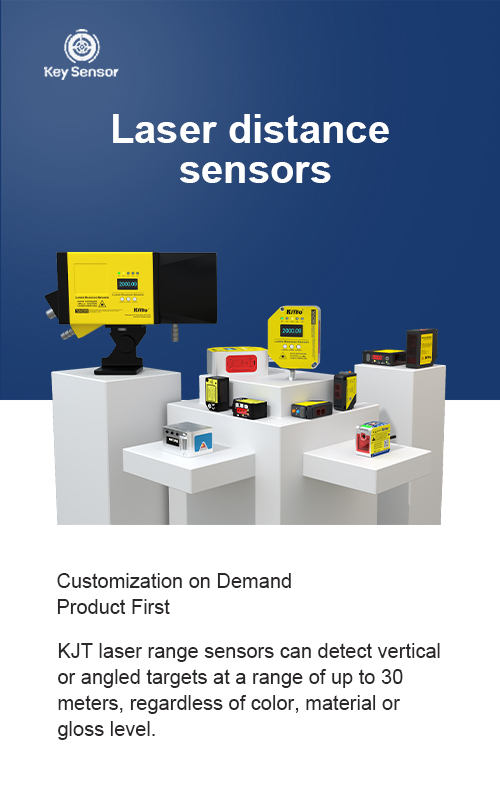
Laser sensors, on the other hand, utilize laser beams to measure distance. They emit a laser beam and measure the time it takes for the beam to return after reflecting off a target. This technology is particularly effective in applications requiring high accuracy and non-contact measurement, such as in robotics, automated inspection systems, and material sorting. Laser sensors offer a high level of resolution and can detect objects even in challenging environments.
Key Advantages of Baumer Sensors
Baumer distance and laser sensors are known for their high accuracy, reliability, and versatility. They are designed to operate in a wide range of conditions, making them suitable for use in harsh industrial environments. Furthermore, their non-contact measurement capability ensures minimal wear and tear on the equipment, reducing maintenance costs and downtime.
Applications in Industrial Automation
These sensors are used in a variety of industrial applications. In manufacturing, they are employed to monitor the position and movement of parts on a production line, ensuring consistent quality. In logistics, they help in sorting and identifying products with high precision. Additionally, in automotive and medical industries, Baumer sensors are used for quality control and assembly line automation.
Choosing the Right Sensor for Your Needs
Selecting the appropriate sensor depends on the specific requirements of your application. Factors such as measurement range, accuracy, environmental conditions, and cost should be considered. Baumer offers a range of sensors tailored to different industrial needs, ensuring that businesses can find the optimal solution for their operations.
Conclusion
Baumer distance and laser sensors are essential components of modern industrial automation, offering precision, reliability, and versatility. By integrating these sensors into their operations, businesses can achieve higher efficiency, reduce errors, and improve overall performance. As industry continues to evolve, the role of these sensors will only become more critical in driving innovation and excellence in manufacturing and automation.
Note: This article is an original content piece and is not derived from any external sources.





















 +40729977919
  keysensor.ro@gmail.com


