Lidars and Laser Sensors in Modern Automotive and Industrial Applications
In the rapidly evolving world of technology, the integration of advanced sensors and laser-based systems has become a cornerstone of innovation across multiple industries. Among these, LIDAR scanners and laser sensors stand out as critical components in autonomous vehicles, robotics, and industrial automation. These technologies enable precise object detection, distance measurement, and environmental mapping, making them essential for enhancing safety, efficiency, and precision in modern systems.
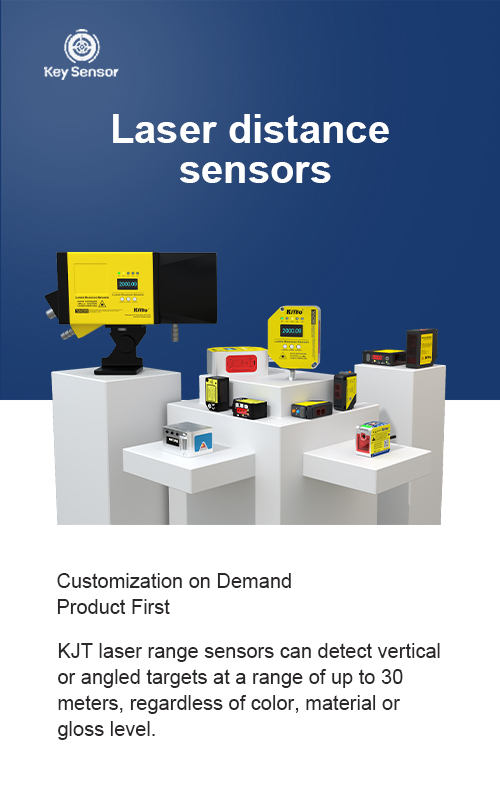
LIDAR (Light Detection and Ranging) is a remote sensing method that uses laser light to measure distances to objects. By emitting pulses of laser light and measuring the time it takes for the light to return, LIDAR systems can create detailed 3D maps of their surroundings. This capability is particularly valuable in autonomous driving, where accurate perception of the environment is crucial for safe navigation. Similarly, laser sensors are used in a wide range of applications, from industrial automation to medical imaging, where precise measurement and real-time data processing are required.
The combination of LIDAR scanners and laser sensors has revolutionized the way we interact with the digital and physical world. In the automotive industry, LIDAR scanners are increasingly being used in self-driving cars to detect obstacles, track other vehicles, and identify lane markings. These systems work in conjunction with laser sensors to provide a comprehensive understanding of the vehicle’s surroundings, enabling autonomous vehicles to make informed decisions. Similarly, in industrial settings, laser sensors are employed for quality control, material measurement, and environmental monitoring, offering high accuracy and reliability.
One of the key advantages of LIDAR scanners and laser sensors is their ability to operate in challenging environments. Unlike traditional sensors, which may be limited by weather conditions or light interference, LIDAR scanners can function effectively in low-light conditions and through fog, smoke, or other obstructions. This makes them ideal for use in remote locations, outdoor environments, and even in space-based applications. Meanwhile, laser sensors are often used in conjunction with LIDAR scanners to provide additional data points, ensuring a more robust and accurate system.
As the demand for intelligent systems grows, the role of LIDAR scanners and laser sensors is becoming even more prominent. Their ability to provide high-resolution data and real-time feedback makes them indispensable in industries ranging from automotive to robotics. Innovations in sensor technology are continuously improving the performance and efficiency of these systems, paving the way for more advanced applications in the future.
In summary, LIDAR scanners and laser sensors are not just technological advancements—they are the foundation of modern automation and intelligent systems. Their versatility, precision, and reliability make them a key component in shaping the future of technology. Whether in the automotive industry or industrial automation, these sensors are transforming how we interact with the world around us.





















 +40729977919
  keysensor.ro@gmail.com


