Laser Distance Sensor: Precision Measurement in Modern Automation and Industrial Applications
In today’s fast-paced manufacturing and automation industries, precision and reliability are paramount. One of the most critical components in these processes is the Laser Distance Sensor, a device that has become indispensable in ensuring accurate measurements and enhancing operational efficiency. This article explores the role of Laser Distance Sensors in modern automation, their working principles, and how they contribute to the advancement of industrial technologies.
Laser distance sensors operate by emitting a laser beam and measuring the time it takes for the light to reflect back from an object. This time measurement is then converted into a distance value, allowing for highly accurate distance detection. The technology is widely used in applications such as robotics, material handling, quality control, and safety systems. By providing real-time data, these sensors enable machines to make precise adjustments, reducing errors and improving overall performance.
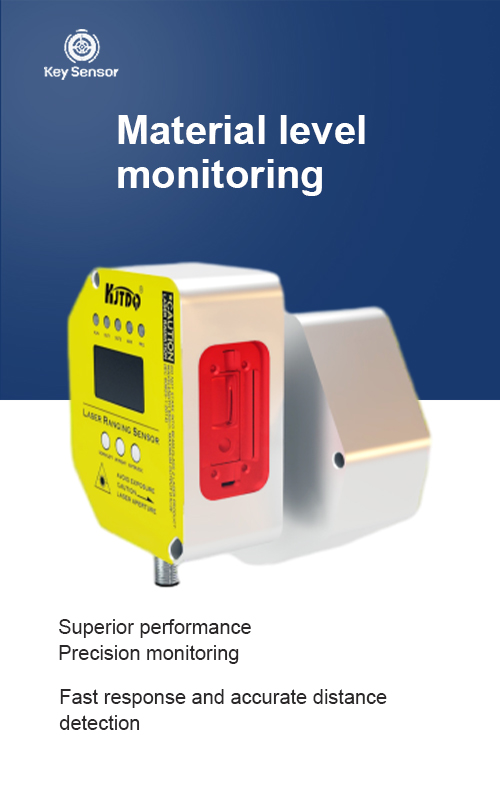
In industrial settings, Laser Distance Sensors are often employed in automated guided vehicles (AGVs) and robotic arms to ensure that they maintain safe and accurate distances from obstacles. For example, in warehouses or production lines, these sensors help robots navigate through complex environments without collisions. Additionally, they are used in quality control systems to measure the dimensions of products with high accuracy, ensuring that every item meets the required specifications.
The integration of Laser Distance Sensors into industrial automation has revolutionized the way operations are conducted. Unlike traditional sensors that may require frequent calibration, laser sensors offer long-term consistency and reduced maintenance. This makes them a cost-effective solution for businesses looking to optimize their production processes. Moreover, the non-contact nature of laser sensors means they can operate in a variety of environments, including those with high humidity, dust, or corrosive conditions.
Another significant advantage of Laser Distance Sensors is their ability to detect objects at a distance, even in challenging conditions. Whether it’s measuring the height of a wall, monitoring the position of a moving part, or detecting obstacles in a factory floor, these sensors provide reliable and consistent data. This capability is especially valuable in applications where precision is crucial, such as in 3D imaging, autonomous driving, and smart manufacturing.
As industrial technologies continue to evolve, the demand for Laser Distance Sensors is only expected to grow. Their versatility, accuracy, and ease of integration make them a preferred choice for manufacturers and engineers alike. With the aid of advanced software and data analysis, these sensors not only improve operational efficiency but also contribute to the development of smarter, more automated systems.
In summary, Laser Distance Sensors are more than just tools for measurement—they are the backbone of modern automation and industrial efficiency. By leveraging their precision and reliability, industries can achieve greater productivity, safety, and quality control. As technology advances, the role of these sensors will only become more vital in shaping the future of manufacturing and automation.





















 +40729977919
  keysensor.ro@gmail.com


