Laser Encoder Sensor: Enhancing Precision and Efficiency in Modern Manufacturing
In today’s rapidly evolving manufacturing industry, precision and efficiency are the cornerstones of success. At the heart of modern production processes lies the laser encoder sensor, a critical component that ensures accuracy and reliability in motion control systems. This article explores the role of laser encoder sensors in modern manufacturing, their technical advantages, and how they contribute to the overall performance of automated systems.
A laser encoder sensor is a device that uses a laser beam to measure the position and speed of a moving part. It consists of a laser diode and a photodetector, which work in tandem to provide high-precision feedback. This feedback is essential for maintaining tight tolerances in production lines, especially in industries such as automotive, aerospace, and robotics. The laser encoder sensor is commonly used in servo systems, where it provides real-time data to control motor movements with extreme accuracy.
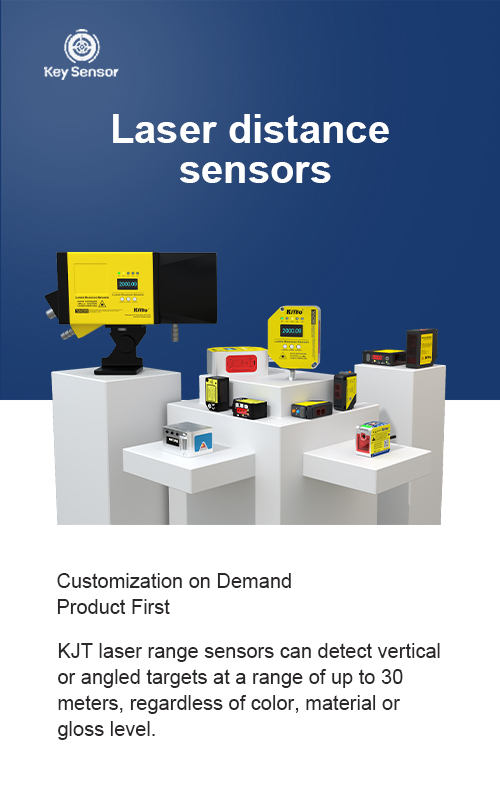
One of the key benefits of laser encoder sensors is their high resolution and accuracy. Traditional encoders, such as optical or magnetic ones, may suffer from misalignment or wear over time, leading to measurement errors. In contrast, laser encoder sensors offer consistent performance, even under varying environmental conditions. This makes them particularly suitable for high-speed and high-precision applications where any error could have significant consequences.
Moreover, the laser encoder sensor is known for its durability and low maintenance requirements. Unlike other types of encoders, which may require frequent calibration or replacement, laser sensors are designed to operate continuously with minimal upkeep. This not only reduces operational costs but also minimizes downtime, ensuring that production processes remain uninterrupted.
In addition to its technical advantages, the laser encoder sensor plays a vital role in improving the overall efficiency of manufacturing systems. By providing precise feedback, it allows for tighter control over machine movements, leading to reduced energy consumption and increased productivity. In automated systems, this means that machines can operate more smoothly and with less waste, contributing to a more sustainable and cost-effective production process.
The integration of laser encoder sensors into modern manufacturing equipment is a testament to the advancements in automation and precision engineering. As industries continue to push the boundaries of what is possible, the role of laser encoder sensors will only become more important. Whether in a factory line or a research facility, these sensors are essential for maintaining the highest standards of performance and reliability.
In summary, laser encoder sensors are more than just a technological advancement—they are a fundamental component of modern manufacturing. Their ability to provide precise, real-time feedback ensures that production processes are both efficient and accurate. As technology continues to evolve, the laser encoder sensor will remain a cornerstone of innovation in the manufacturing sector.





















 +40729977919
  keysensor.ro@gmail.com


