Omron Laser Distance Sensor: Precision, Reliability, and Versatility in Industrial Automation
In the fast-paced world of industrial automation, precision and reliability are paramount. Among the many components that contribute to the efficiency and safety of manufacturing systems, the Omron Laser Distance Sensor stands out as a critical tool. This article explores the features, applications, and benefits of Omron’s laser distance sensors, highlighting why they are a preferred choice in modern industrial environments.
The Omron Laser Distance Sensor is a high-precision device designed to measure distances accurately and reliably in various industrial settings. Unlike traditional distance sensors, which often rely on time-of-flight or ultrasonic methods, Omron’s laser-based sensors utilize laser technology to provide highly accurate measurements. This technology allows for greater range, faster response times, and improved measurement accuracy, making it ideal for applications that require precise distance detection.
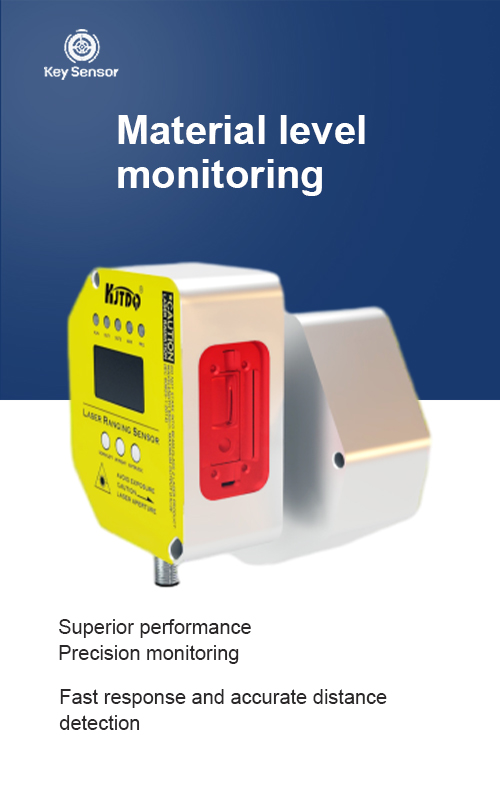
One of the key advantages of the Omron Laser Distance Sensor is its high precision. Laser sensors can detect distances as small as a few millimeters, ensuring that even the smallest adjustments in positioning or object placement are accurately captured. This level of precision is crucial in applications such as robotic assembly, material handling, and quality control systems where even minor deviations can lead to significant errors.
Another important feature of the Omron Laser Distance Sensor is its versatility. These sensors can be used in a wide range of environments, from high-temperature industrial settings to cleanrooms and assembly lines. Their robust design allows them to operate in harsh conditions, making them suitable for both small-scale and large-scale manufacturing operations. Additionally, the sensors can be easily integrated into existing systems, offering flexibility in implementation.
The reliability of Omron’s laser distance sensors is another major selling point. These sensors are built to withstand continuous operation and are designed with long operational life in mind. This means that they require minimal maintenance and can be expected to perform consistently over extended periods, reducing downtime and increasing overall system efficiency.
In terms of applications, the Omron Laser Distance Sensor finds use in a variety of industries. In robotics, for example, these sensors are used to monitor the position of robotic arms and ensure they remain within safe and precise boundaries. In packaging and sorting systems, they help in detecting objects and ensuring correct placement, improving both speed and accuracy. In material handling systems, the sensors are used to monitor the movement of components and prevent collisions, enhancing safety and efficiency.
Moreover, the integration of Omron’s laser distance sensors into industrial systems is seamless. They can be easily connected to existing control systems and communicate using standard protocols such as Modbus or CANopen. This compatibility ensures that they can be integrated into a wide range of industrial automation frameworks without requiring major overhauls.
In summary, the Omron Laser Distance Sensor is a reliable, high-precision, and versatile tool that plays a crucial role in modern industrial automation. Its ability to provide accurate distance measurements, operate in challenging environments, and integrate seamlessly into existing systems makes it an essential component for manufacturers looking to improve efficiency, safety, and quality. By choosing the Omron Laser Distance Sensor, industries can ensure that their automation systems are not only efficient but also robust and future-ready.





















 +40729977919
  keysensor.ro@gmail.com


