Laser Height Sensor: Enhancing Precision in Industrial Automation
In today’s fast-paced manufacturing and automation industries, precision and reliability are paramount. One of the most critical technologies that enable these standards is the laser height sensor. This innovative device plays a pivotal role in ensuring accurate measurements in a wide range of applications, from material handling to quality control. As industries continue to evolve, the importance of laser height sensors is only growing, making them an essential component of modern automation systems.
A laser height sensor operates by emitting a laser beam and measuring the time it takes for the beam to reflect back to the sensor. This time is converted into a distance measurement, allowing the system to determine the height of an object with remarkable accuracy. The sensor’s ability to provide real-time data makes it ideal for use in dynamic environments where quick and precise adjustments are necessary.
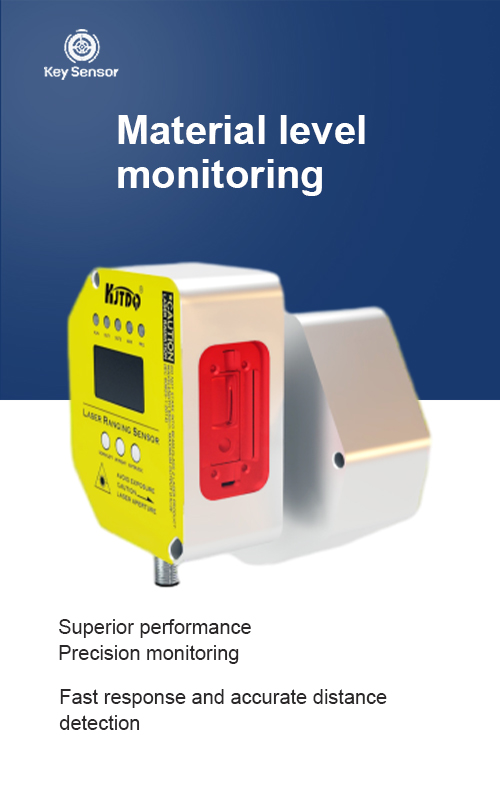
One of the primary advantages of laser height sensors is their non-contact measurement capability. Unlike traditional sensors that may require physical contact with the object being measured, laser sensors operate at a distance, minimizing the risk of mechanical interference and ensuring continuous, reliable operation. This feature is particularly beneficial in applications such as automated sorting, packaging, and conveyor systems, where maintaining consistent performance is crucial.
In addition to its practical benefits, the laser height sensor also contributes to energy efficiency and cost reduction. By eliminating the need for physical contact, these sensors reduce wear and tear on equipment and minimize the risk of malfunctions. This leads to lower maintenance costs and increased system uptime, which are key factors in optimizing industrial operations.
Another significant advantage of laser height sensors is their versatility. They can be adapted for use in a variety of settings, including warehouses, manufacturing plants, and even space-constrained environments. The laser sensor can be integrated into existing systems or deployed as a standalone unit, making it a flexible solution for different industrial needs.
As the demand for automation grows, so does the need for high-precision sensors like the laser height sensor. These devices are not only essential for improving operational efficiency but also for ensuring product quality and safety. In industries where even minor errors can lead to significant consequences, the reliability of laser height sensors cannot be overstated.
In conclusion, laser height sensors represent a significant advancement in industrial automation, offering unparalleled precision, reliability, and versatility. As technology continues to evolve, the role of these sensors will only become more critical. By embracing laser height sensors, industries can achieve greater efficiency, reduce costs, and enhance overall performance.











 +40729977919
  keysensor.ro@gmail.com




