Using the VL53L0X with Arduino Laser Sensor: A Guide to Precision Distance Measurement
The VL53L0X is a high-precision laser distance sensor that has become a staple in many IoT and robotics projects due to its reliability and versatility. When paired with an Arduino laser sensor, it opens up a new dimension of control and interaction in applications ranging from robotics to industrial automation. This article explores how to integrate the VL53L0X with an Arduino laser sensor, focusing on the setup, configuration, and practical applications.
The VL53L0X operates by emitting a laser beam and measuring the time it takes for the beam to return after reflecting off an object. This time-of-flight measurement is then converted into a distance value, providing accurate readings even in complex environments. When combined with an Arduino microcontroller, it becomes a powerful tool for real-time distance detection and control.
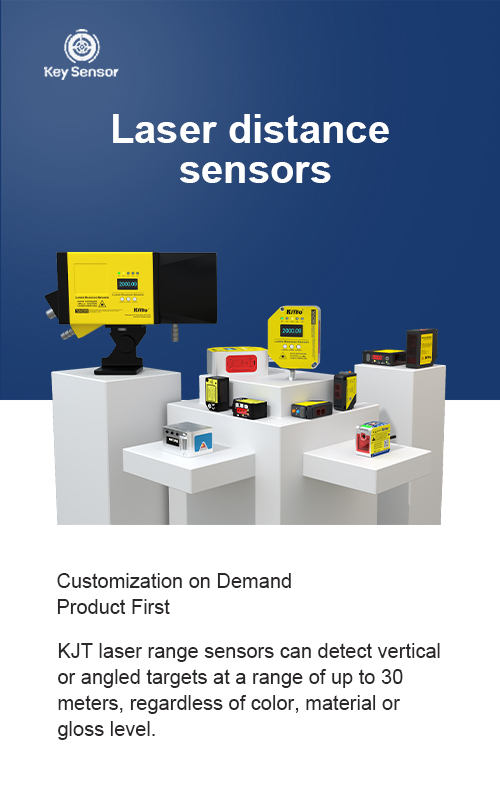
Setting up the VL53L0X with an Arduino involves several steps. First, you need to connect the sensor to the Arduino board. The sensor typically uses I2C communication, so you’ll need to connect the I2C pins (SDA and SCL) to the corresponding pins on the Arduino. Additionally, a power supply is required, which should be connected to the VCC and GND pins of the sensor.
Once the hardware is connected, the next step is to write the code that will read data from the sensor. The Arduino IDE provides a library for the VL53L0X, which simplifies the process of reading and interpreting the sensor’s output. With this library, you can control the sensor’s operation, including setting the measurement range, triggering measurements, and retrieving the distance data.
One of the key advantages of using the VL53L0X with an Arduino is its ability to provide high-resolution distance measurements. This makes it ideal for applications requiring precise distance tracking, such as autonomous navigation, object detection, and even in educational projects. The sensor can measure distances up to 10 meters, making it suitable for both small and large-scale applications.
In addition to its technical capabilities, the VL53L0X offers a wide range of customization options. You can adjust the measurement frequency, set the threshold for detecting objects, and even integrate the sensor with other components like motors or servos to create interactive systems. This flexibility allows developers to tailor the sensor to their specific project requirements.
For those looking to integrate the VL53L0X with an Arduino, there are several resources available, including the official VL53L0X documentation and community forums. These resources provide detailed guides, code examples, and troubleshooting tips that can help users get started quickly.
In conclusion, the combination of the VL53L0X and an Arduino laser sensor offers a robust and versatile solution for distance measurement in a variety of applications. Whether you’re building a robotic arm, a distance sensor for a home automation system, or a sensor for an educational project, this integration provides a powerful and reliable tool. With the right setup and configuration, users can unlock the full potential of this technology, ensuring accurate and real-time data collection in their projects.











 +40729977919
  keysensor.ro@gmail.com




