Vl53l0x Sensor: A Powerful Tool for Laser Distance Measurement in Arduino Projects
The VL53L0X sensor is a high-precision laser distance sensor that has become a popular choice among Arduino hobbyists and developers. Designed for accurate and reliable distance measurements, it is commonly used in projects that require precise distance sensing, such as robotics, automation, and IoT applications. This article explores the features, use cases, and integration of the VL53L0X sensor with Arduino, making it a valuable addition to any electronics project.
The VL53L0X is a monochrome, non-contact laser distance sensor that uses time-of-flight (TOF) technology to measure distances. It operates by emitting a laser beam and measuring the time it takes for the light to return after reflecting off an object. This method allows for highly accurate distance readings, even in low-light conditions. The sensor is known for its high resolution, fast response time, and excellent reliability, making it suitable for a wide range of applications.
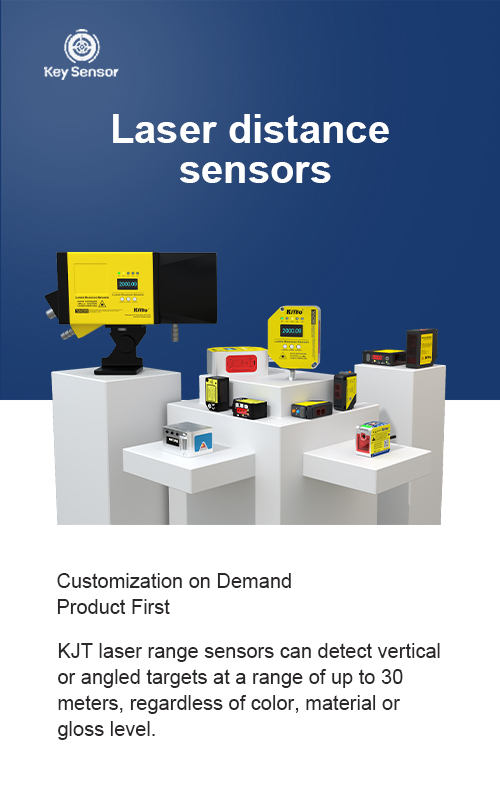
One of the key advantages of the VL53L0X is its ability to measure distances up to 100 cm (40 inches) with a precision of ±1 mm. This level of accuracy is crucial in many applications, such as object detection, motion sensing, and proximity monitoring. Its compact design and low power consumption make it ideal for integration into Arduino projects, where space and energy efficiency are often critical factors.
The sensor is compatible with a variety of Arduino boards, including the Arduino Uno, Mega, and Leonardo, among others. Its communication protocol is based on I2C, which is a simple and widely supported interface. Setting up the VL53L0X on an Arduino is straightforward, with the use of the VL53L0X Arduino library, which simplifies the integration process. Developers can easily read and write data from the sensor using standard Arduino code.
In terms of application, the VL53L0X is commonly used in robotics for obstacle avoidance, in automation systems for proximity sensing, and in IoT devices for distance monitoring. For instance, in a robot that navigates through a room, the VL53L0X can detect obstacles and adjust the robot’s movement accordingly. Similarly, in an automated system, the sensor can monitor the position of objects and trigger specific actions when the distance changes.
Another important feature of the VL53L0X is its ability to work in various environmental conditions, including high humidity and temperature, making it suitable for use in outdoor or industrial settings. Its robust design and reliable performance ensure that it can withstand the demands of real-world applications.
When integrating the VL53L0X with an Arduino, it is essential to ensure that the sensor is properly initialized and that the code is correctly written to read the data. Developers should also be aware of the sensor’s power requirements and the available I2C bus on their Arduino board. Proper wiring and configuration are crucial for achieving the expected results.
In conclusion, the VL53L0X sensor offers a powerful solution for distance measurement in Arduino projects. Its high accuracy, reliability, and compatibility make it a versatile tool for a wide range of applications. Whether it’s for robotics, automation, or IoT, the VL53L0X is a valuable addition to any electronics project. With the right setup and use, it can provide reliable and precise distance data, enhancing the functionality and performance of your Arduino-based system.











 +40729977919
  keysensor.ro@gmail.com




