Vl53l0x Arduino Projects: Laser Sensor Integration for Precision Measurement
In today’s fast-paced technological landscape, precision measurement is crucial across various industries, from manufacturing to robotics. The VL53L0X is a high-performance laser sensor that offers accurate distance measurement in a compact form factor, making it an ideal choice for Arduino-based projects. This article explores the possibilities of integrating the VL53L0X with an Arduino platform, highlighting its features, applications, and how to implement it effectively.
The VL53L0X is a monochrome laser range finder that uses time-of-flight (TOF) technology to measure distance. It operates in the visible spectrum, providing reliable and accurate readings in a wide range of conditions. With a resolution of up to 1 mm, this sensor is well-suited for applications requiring precise distance detection, such as object recognition, robotics, and automated systems. Its low power consumption and robust design make it a popular choice for embedded systems.
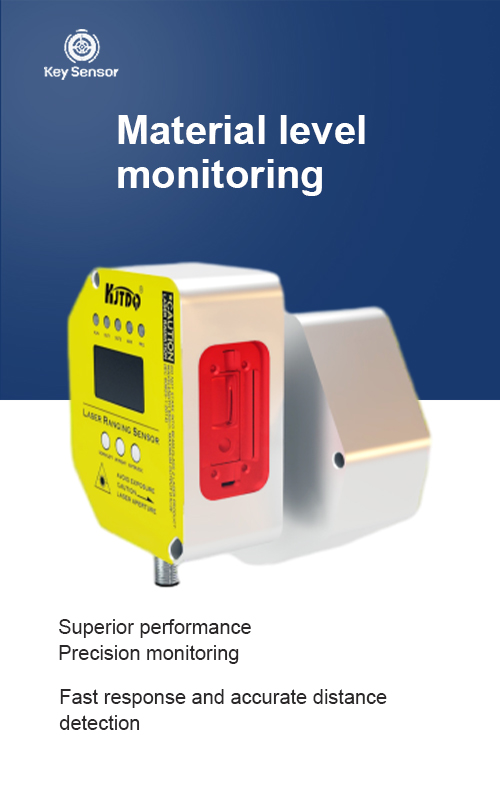
For developers looking to integrate the VL53L0X into an Arduino project, the first step is to select the appropriate board and development environment. Arduino IDE is typically used for prototyping, and libraries such as VL53L0X are essential for interfacing with the sensor. These libraries provide functions to read data, set configuration parameters, and handle error states. A basic setup involves connecting the sensor to the Arduino using the I2C interface, which is the standard protocol for communication between microcontrollers and sensors.
Once the hardware is connected, the next step is to configure the sensor settings. The VL53L0X can be initialized with various parameters, including measurement range, scan mode, and sensitivity. For most applications, the default settings are sufficient, but custom configurations may be necessary depending on the project requirements. For example, if the sensor is to be used in a dynamic environment, adjusting the scan mode to continuous measurement can provide real-time data.
One of the key advantages of the VL53L0X is its versatility. It can be used in a variety of applications, such as:
To implement the sensor in an Arduino project, developers can utilize the VL53L0X library, which simplifies the integration process. The library provides functions to read distance values, handle interrupts, and manage sensor calibration. With proper setup and configuration, the sensor can be used to collect data and trigger actions based on the measured distance.
In addition to the library, it’s important to consider power supply and signal integrity. The VL53L0X requires a stable power source, and the I2C interface must be properly connected to avoid communication errors. If the sensor is used in a noisy environment, additional filtering or shielding may be needed to ensure accurate readings.
The integration of the VL53L0X into an Arduino project opens up a wide range of possibilities for innovation. From simple distance measurement to complex automation systems, the sensor provides a reliable and accurate solution. Developers are encouraged to experiment with different configurations and applications to maximize the sensor’s potential.
In conclusion, the VL53L0X is a powerful tool for precision measurement in Arduino projects. Its integration with an Arduino platform offers a robust solution for a variety of applications. By understanding its features, configuring the hardware properly, and utilizing the available libraries, developers can harness the full potential of the VL53L0X to create innovative and efficient systems.











 +40729977919
  keysensor.ro@gmail.com




