RPLIDAR RANGE LASER SENSOR: A GAMECHANGER IN ROBOTICS AND AUTOMATION
The RPLIDAR range laser sensor has emerged as a pivotal component in modern robotics and automation, offering a blend of precision, reliability, and versatility. This sensor is designed to provide accurate 3D mapping and object detection, making it a cornerstone in applications ranging from autonomous vehicles to industrial automation. In this article, we will explore the key features, applications, and benefits of the RPLIDAR range laser sensor, highlighting its role in shaping the future of intelligent systems.
The RPLIDAR sensor is a sophisticated device that uses laser technology to create a 3D map of its surroundings. It emits a laser beam and measures the time it takes for the beam to return to the sensor, allowing it to calculate the distance to objects and the shape of the environment. This technology is particularly effective in environments where traditional methods, such as cameras or ultrasonic sensors, may fall short. The RPLIDAR sensor is known for its high resolution and ability to function in various lighting conditions, making it a reliable choice for both indoor and outdoor applications.
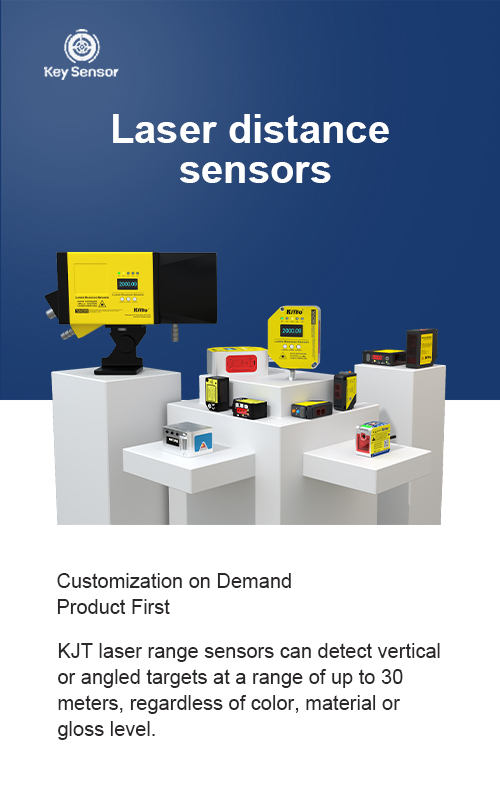
One of the most significant advantages of the RPLIDAR sensor is its ability to provide real-time data, which is crucial for applications requiring immediate responses. Whether it’s navigating a self-driving vehicle, performing tasks in an industrial setting, or monitoring a warehouse, the RPLIDAR sensor ensures that the system has accurate and timely information. This real-time processing capability enhances the autonomy of robotic systems, reducing the need for human intervention and improving overall efficiency.
In terms of applications, the RPLIDAR sensor is widely used in autonomous navigation systems. For example, in self-driving cars, the sensor helps the vehicle detect obstacles, map its surroundings, and make informed decisions. Similarly, in agricultural robotics, the sensor enables precise planting and harvesting, optimizing crop management and reducing labor costs. Its use in drones is also gaining traction, as it allows for accurate mapping and navigation in complex environments.
The RPLIDAR sensor is not only a technological marvel but also a cost-effective solution for many industries. Unlike traditional sensors that require extensive calibration or frequent maintenance, the RPLIDAR sensor is designed for durability and long-term performance. This makes it an attractive option for businesses looking to invest in smart technologies without compromising on quality or cost.
Another benefit of the RPLIDAR sensor is its adaptability. It can be integrated into various systems and environments, making it a versatile tool for different applications. Whether it’s used in a small-scale robotics project or a large-scale industrial automation setup, the RPLIDAR sensor offers a flexible solution that meets a wide range of needs.
In conclusion, the RPLIDAR range laser sensor represents a significant advancement in the field of robotics and automation. Its ability to provide accurate 3D mapping and real-time data makes it an essential component in modern technological systems. As industries continue to adopt smart technologies, the RPLIDAR sensor will play a crucial role in driving innovation and efficiency. Its integration into various applications underscores its importance in shaping the future of intelligent systems.











 +40729977919
  keysensor.ro@gmail.com




