Riegl VUX System and Laser Sensor: Enhancing Precision in 3D Scanning
With the increasing demand for high-accuracy 3D scanning in industries ranging from construction to aerospace, the Riegl VUX system and its associated laser sensor have emerged as a key solution for precision measurements. Designed for professional use, the Riegl VUX system enables users to capture detailed 3D data with remarkable accuracy, making it a preferred choice in applications requiring high-resolution data. At the heart of this technology is the laser sensor, which plays a critical role in delivering reliable and consistent results.
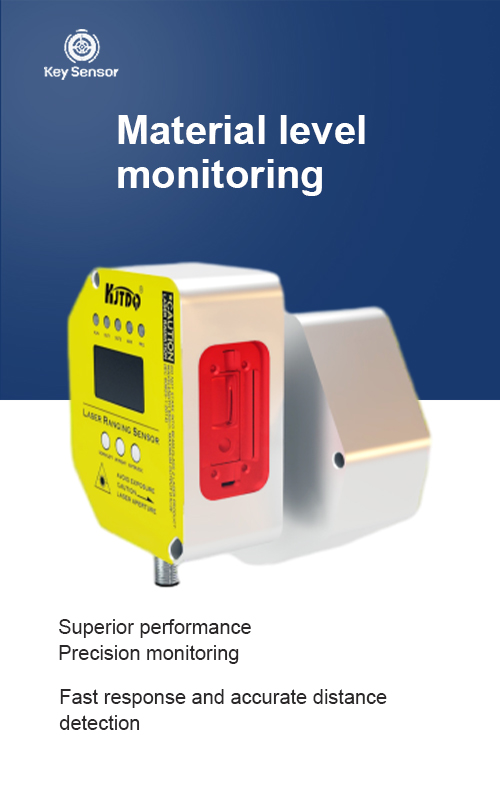
The Riegl VUX system operates by emitting a laser beam and measuring the time it takes for the beam to return to the sensor. This process, known as time-of-flight (TOF), allows for the calculation of distance and the creation of precise 3D models. The laser sensor is not only a core component of the system but also a vital tool in ensuring the accuracy and reliability of the measurements. Its high precision and stability make it ideal for applications where even minor errors can lead to significant consequences.
One of the standout features of the Riegl VUX system is its ability to provide real-time data acquisition. This means that users can monitor and adjust their scanning process on the go, ensuring that the data collected is accurate and up-to-date. The system is equipped with advanced algorithms that process the data in real time, allowing for immediate feedback and adjustments. This level of responsiveness is crucial in fields such as construction, where timely and accurate data is essential for project management and quality control.
Moreover, the Riegl VUX system is designed for ease of use and integration with existing workflows. Whether it’s for small-scale projects or large-scale infrastructure development, the system is versatile enough to adapt to different environments. This flexibility is a major advantage, as it reduces the need for additional hardware or software, allowing users to focus on their core tasks without being hindered by technical complexities.
The laser sensor used in the Riegl VUX system is not only a technical component but also a key enabler of the system’s performance. Its ability to maintain consistent readings under varying conditions ensures that the data collected is reliable, even in challenging environments. This consistency is vital for applications such as urban planning, where the accuracy of the data can impact the success of large-scale projects.
In conclusion, the Riegl VUX system and its laser sensor represent a significant advancement in 3D scanning technology. Their combination of precision, real-time data acquisition, and versatility makes them a valuable asset in a wide range of industries. As technology continues to evolve, the Riegl VUX system stands at the forefront of innovation, offering solutions that meet the growing demands of modern measurement and data acquisition.











 +40729977919
  keysensor.ro@gmail.com




