Precipitation and Laser Sensor: Enhancing Weather Monitoring with Advanced Technology
In the ever-evolving landscape of weather monitoring, precision and reliability are paramount. One of the most advanced technologies used in this field is the precipitation laser sensor. This innovative device plays a crucial role in measuring rainfall, snowfall, and other precipitation events with remarkable accuracy. As climate change continues to impact weather patterns, the need for reliable and efficient precipitation monitoring has never been greater. This article explores the role of precipitation laser sensors in modern weather monitoring, their benefits, and how they are transforming the way we understand and respond to weather changes.
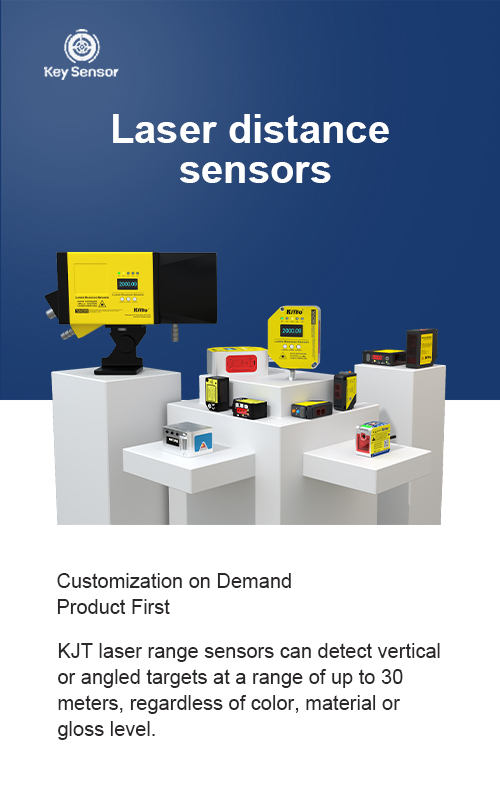
Laser sensors are particularly effective in measuring precipitation because they can detect tiny particles in the air without disturbing the natural environment. Unlike traditional methods that may require physical sampling or rely on ground-based instruments, laser sensors offer a non-intrusive and highly accurate alternative. By emitting a laser beam and measuring the backscatter, these sensors can determine the size and intensity of precipitation particles in real time. This capability allows for more precise and timely data collection, which is essential for predicting weather patterns and supporting agricultural planning, disaster response, and environmental studies.
One of the most significant advantages of precipitation laser sensors is their ability to operate in diverse and challenging environments. Whether it’s a heavy rainstorm or a snowfall, these sensors can provide continuous and reliable data. Their high sensitivity and precision make them ideal for use in both urban and rural settings, ensuring that even the smallest changes in precipitation are captured with accuracy. Additionally, these sensors are often integrated into larger weather monitoring systems, allowing for data aggregation and analysis that can be used to improve forecasting models and enhance overall weather prediction accuracy.
The integration of precipitation laser sensors into modern weather monitoring systems has revolutionized how we track and understand precipitation. These sensors are not only used in meteorological stations but also in a variety of other applications, including agriculture, public safety, and environmental research. For instance, in agricultural settings, real-time precipitation data can help farmers make informed decisions about irrigation and crop management. In public safety, accurate precipitation measurements can aid in flood prediction and emergency preparedness. In environmental studies, these sensors provide valuable insights into climate change and its impact on different regions.
As technology continues to advance, the role of precipitation laser sensors is expected to grow even further. Innovations in sensor design, data processing, and integration with artificial intelligence are paving the way for more accurate and efficient weather monitoring. These advancements will not only improve the accuracy of precipitation measurements but also enhance the efficiency of data collection and analysis, leading to more informed decision-making across various sectors.
In conclusion, precipitation laser sensors are a vital component of modern weather monitoring, offering a reliable and precise way to measure precipitation. Their ability to operate in diverse environments and provide real-time data makes them an essential tool for understanding and responding to changing weather patterns. As we continue to rely on technology to better understand our environment, the importance of precipitation laser sensors will only grow.











 +40729977919
  keysensor.ro@gmail.com




