Optimizing Precision with Omron E3N CLaser Sensor: Enhancing Automation and Safety
In the rapidly evolving world of industrial automation, the integration of high-precision sensors is crucial for ensuring efficiency, safety, and reliability. One such innovation that has gained significant traction in modern manufacturing is the Omron E3N CLaser Sensor. Designed for high-performance applications, this sensor is a key component in automated systems, offering unmatched accuracy and real-time data processing. This article explores the features, applications, and benefits of the Omron E3N CLaser Sensor, providing a comprehensive overview of its role in modern automation.
The Omron E3N CLaser Sensor is a next-generation sensor that combines the reliability of traditional optical sensors with the precision of laser technology. Unlike conventional sensors that rely on light reflection or absorption, the E3N CLaser Sensor uses laser light to detect and measure object presence, distance, and motion. This allows for greater accuracy, especially in environments where traditional sensors may struggle due to dust, moisture, or other interfering factors. The sensor’s advanced design ensures that it can operate in a wide range of conditions, making it a versatile solution for various industrial applications.
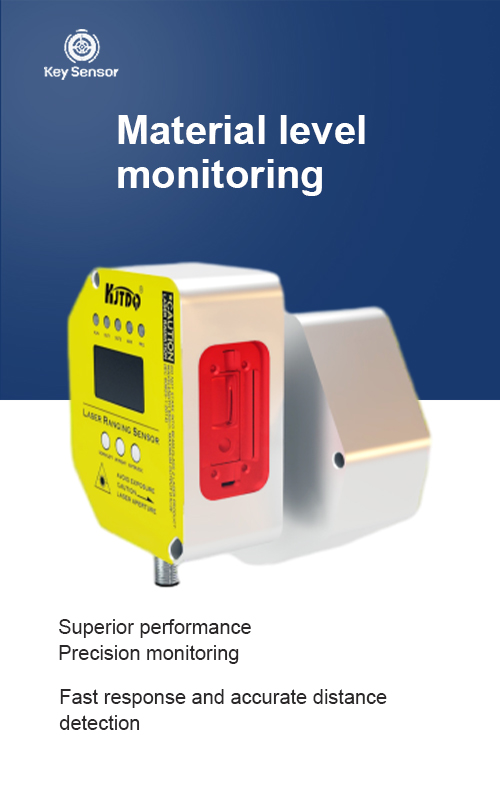
One of the most significant advantages of the Omron E3N CLaser Sensor is its high precision. The sensor can detect objects with remarkable accuracy, down to a few millimeters, which is essential in applications such as sorting, inspection, and quality control. Whether it’s identifying a product in a conveyor system or measuring the thickness of a material, the E3N CLaser Sensor delivers reliable and consistent results. This level of precision not only improves the accuracy of automated processes but also reduces the need for manual intervention, thereby increasing productivity and reducing costs.
Moreover, the Omron E3N CLaser Sensor is designed for versatility and compatibility with different types of industrial systems. It can be integrated into a variety of automation setups, including robotic arms, conveyor belts, and assembly lines. The sensor’s ability to work with multiple control systems makes it a flexible choice for manufacturers looking to upgrade their existing infrastructure or implement new automation solutions. This adaptability ensures that the E3N CLaser Sensor can meet the specific needs of different industries, from automotive to electronics and beyond.
In addition to its technical advantages, the Omron E3N CLaser Sensor offers enhanced safety features. In industrial environments, where safety is a top priority, the sensor’s real-time data processing capabilities help prevent potential hazards. For example, in a conveyor system, the sensor can detect the presence of an object and trigger a shutdown if a blockage is detected, ensuring that the system remains safe and operational. This proactive approach to safety not only protects workers but also reduces downtime and maintenance costs.
The Omron E3N CLaser Sensor is also known for its low maintenance requirements. Due to its advanced engineering and durable design, it requires minimal calibration and upkeep, making it a cost-effective solution for long-term use. This is particularly beneficial for manufacturers that operate large-scale systems and cannot afford frequent sensor replacements or repairs.
In conclusion, the Omron E3N CLaser Sensor represents a significant advancement in industrial automation technology. Its combination of high precision, versatility, and safety features makes it an essential component for modern manufacturing processes. As industries continue to evolve and demand more efficient and reliable solutions, the E3N CLaser Sensor stands out as a valuable tool for enhancing productivity and operational efficiency. With its integration into various automation systems, it is clear that the Omron E3N CLaser Sensor is playing a pivotal role in shaping the future of industrial automation.











 +40729977919
  keysensor.ro@gmail.com




