P&F Laser Sensor: The Precision of Light in Modern Technology
In today’s fast-paced technological landscape, precision and reliability are paramount. Among the many sensors that enable advanced systems, the P&F Laser Sensor stands out as a critical component in a wide range of applications, from industrial automation to medical imaging and environmental monitoring. This article explores the key features, benefits, and uses of the P&F Laser Sensor, highlighting its role in modern technology and how it contributes to efficiency and accuracy in various industries.
The P&F Laser Sensor is a high-precision optical sensor that detects and measures the presence, distance, and movement of objects using laser light. It operates by emitting a laser beam and detecting the reflected light, allowing it to determine the position or distance of a target with remarkable accuracy. This technology is widely used in applications where accurate and reliable measurements are essential, such as in robotics, automotive systems, and quality control.
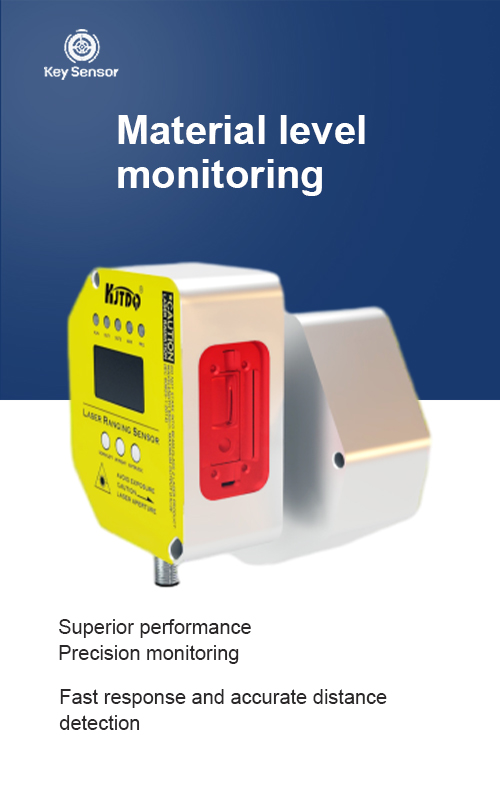
One of the standout features of the P&F Laser Sensor is its high-resolution detection capability. Unlike traditional sensors that may suffer from inaccuracies or limitations in environmental conditions, the P&F Laser Sensor can operate effectively in a wide range of temperatures, humidity levels, and light conditions. This makes it ideal for use in challenging environments where other sensors might fail. Additionally, the sensor is known for its low power consumption and long operational life, which reduces maintenance costs and enhances overall system efficiency.
The P&F Laser Sensor is also highly versatile, offering multiple output options to suit different applications. It can be configured for various measurement purposes, such as detecting objects, measuring distances, or monitoring motion. Its compatibility with different systems and easy integration into existing infrastructure make it a popular choice among manufacturers and engineers working on cutting-edge projects.
In industries such as automotive, agriculture, and manufacturing, the P&F Laser Sensor plays a crucial role in improving productivity and safety. In the automotive sector, it is used in autonomous driving systems to detect obstacles and monitor the environment. In agriculture, it helps in precision farming by monitoring crop growth and ensuring optimal conditions for yield. In manufacturing, it is employed for quality control and process automation, ensuring that products meet the highest standards.
Another significant benefit of the P&F Laser Sensor is its accuracy and consistency. It provides reliable data even in complex or dynamic environments, which is essential for applications that require real-time decision-making. For instance, in robotics, the sensor ensures that machines can accurately navigate and interact with their surroundings. In medical applications, it is used in imaging systems to provide precise measurements of tissue structures, aiding in diagnosis and treatment planning.
The P&F Laser Sensor is not just a technological advancement—it is a transformative tool in modern engineering. Its ability to deliver high-precision measurements, operate in diverse conditions, and integrate seamlessly with existing systems makes it an essential component in a wide array of industries. As technology continues to evolve, the role of the P&F Laser Sensor will only become more critical, driving innovation and efficiency across multiple sectors.
In conclusion, the P&F Laser Sensor represents a significant leap forward in sensor technology, offering unparalleled precision, reliability, and versatility. Its integration into various applications underscores its importance in shaping the future of modern technology.











 +40729977919
  keysensor.ro@gmail.com




