LIDAR 3D Scanner Arduino Laser Sensor: Enhancing Robotics and Automation with Precision
LIDAR (Light Detection and Ranging) is a powerful technology that has revolutionized the way we perceive and interact with the physical world. At its core, LIDAR uses laser light to measure distances and create detailed 3D maps of environments. In the context of robotics and automation, LIDAR 3D scanners are indispensable tools that enable machines to navigate, avoid obstacles, and perform tasks with high precision. This article explores the role of LIDAR 3D scanners, how they integrate with Arduino platforms, and the significance of laser sensors in modern automation systems.
A LIDAR 3D scanner is a device that emits laser beams and measures the time it takes for the light to return to the sensor after reflecting off objects. This process generates a series of point cloud data, which can be used to create 3D models of the surroundings. These models are crucial for applications such as autonomous navigation, environmental monitoring, and industrial inspection. Unlike traditional sensors, LIDAR provides high-resolution data, making it ideal for applications where accuracy is paramount.
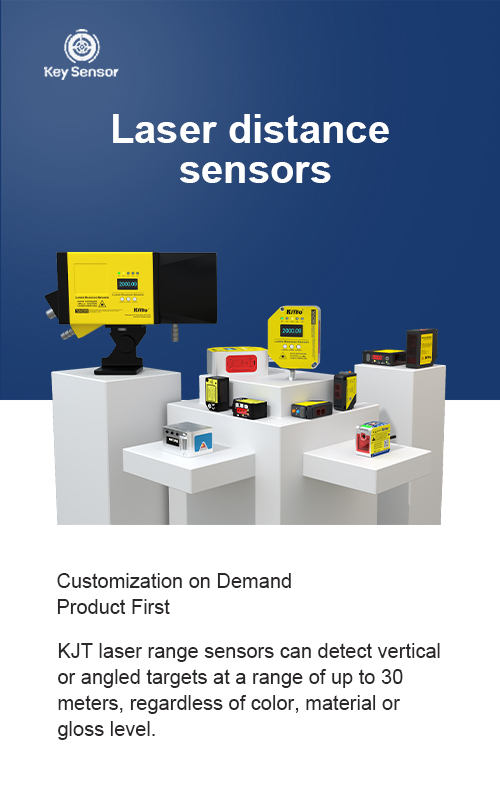
Arduino, a popular open-source electronics platform, is widely used in robotics and DIY projects due to its ease of use and flexibility. When integrated with a LIDAR 3D scanner, Arduino becomes a powerful tool for real-time data processing and control. The combination of these two technologies allows for the creation of compact, cost-effective systems that can perform complex tasks. For instance, an Arduino-based LIDAR 3D scanner can be used to monitor the environment in a robot, detect obstacles, and adjust its path accordingly.
The integration of LIDAR with Arduino is not only about hardware compatibility but also about software development. Developers must write code to process the sensor data, filter noise, and interpret the point cloud information. This requires a good understanding of both the hardware and the algorithms used to analyze the data. Additionally, the use of laser sensors is critical in ensuring the accuracy and reliability of the LIDAR system. Laser sensors provide the necessary precision and range for LIDAR to function effectively, making them a key component in any LIDAR 3D scanner system.
In robotics, LIDAR 3D scanners are used to create detailed maps of the environment, which are essential for autonomous navigation. For example, in self-driving cars, LIDAR helps the vehicle to perceive its surroundings, detect other vehicles, and avoid collisions. Similarly, in industrial automation, LIDAR 3D scanners can be used to inspect products, monitor production lines, and ensure quality control. The ability to create and process 3D data in real-time is a major advantage of LIDAR technology, allowing for faster decision-making and improved efficiency.
Moreover, the use of Arduino in conjunction with LIDAR 3D scanners makes it possible to build custom solutions tailored to specific applications. Whether it’s a small robot exploring an unfamiliar environment or a larger system monitoring a factory floor, the combination of these technologies offers a flexible and cost-effective approach. Arduino’s open nature and extensive community support make it an ideal platform for hobbyists and professionals alike.
In conclusion, the integration of LIDAR 3D scanners with Arduino platforms represents a significant advancement in robotics and automation. By leveraging the precision of LIDAR and the flexibility of Arduino, developers can create innovative solutions that enhance the capabilities of robots and automated systems. As technology continues to evolve, the role of LIDAR 3D scanners and laser sensors will only become more important, driving the future of intelligent environments and autonomous systems.











 +40729977919
  keysensor.ro@gmail.com




