Keyence Laser Sensor Settings: Optimizing Performance and Precision
In today’s fast-paced manufacturing and industrial environments, precision and reliability are paramount. Keyence, a leading provider of high-performance sensors, offers a comprehensive range of laser sensors that are essential for accurate measurement and control. Understanding and optimizing the settings of these sensors is critical for achieving optimal performance and ensuring consistent results.
Laser sensors are widely used in applications such as material thickness measurement, surface profiling, and position detection. They rely on the interaction between the laser beam and the object being measured to produce a signal that can be converted into a measurable data point. Keyence’s laser sensors are designed with advanced technology and are engineered to provide high accuracy, durability, and adaptability across various industrial conditions.
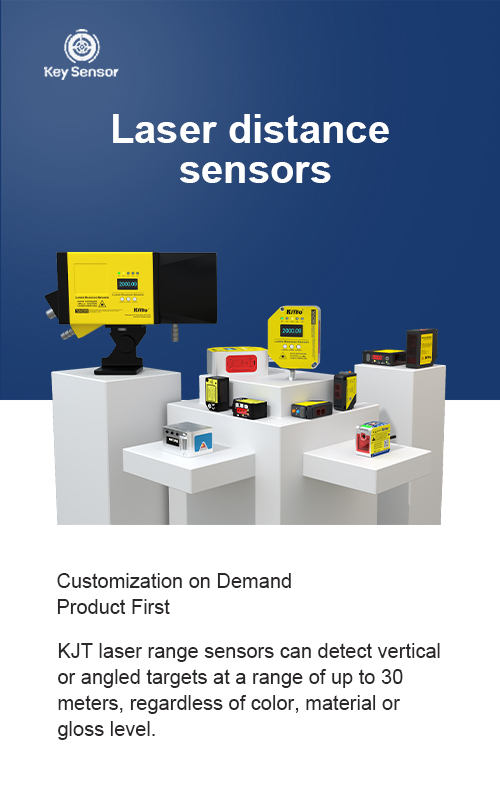
One of the most important aspects of working with Keyence laser sensors is understanding and configuring their settings. Proper calibration and parameter adjustment can significantly enhance the sensor’s performance. For instance, the laser power, detection range, and sensitivity settings are crucial factors that influence the sensor’s ability to detect objects accurately. Adjusting these settings requires a thorough understanding of the application and the environmental conditions in which the sensor will be used.
A key component of sensor performance is the laser’s wavelength and output. Keyence offers a variety of laser wavelengths tailored for different applications, such as visible light for surface profiling and infrared for non-contact measurement. The choice of wavelength can affect the sensor’s ability to detect objects at different distances and under varying lighting conditions. Proper selection of the laser wavelength is essential for achieving the best possible results.
In addition to the laser settings, the sensor’s detection range and sensitivity must be fine-tuned. The detection range determines how far the sensor can effectively measure an object, while sensitivity affects how easily the sensor can detect small changes in the object’s position or surface. Keyence’s sensors are designed with adjustable settings to accommodate a wide range of applications, ensuring flexibility and precision.
Another important aspect is the sensor’s response time and signal processing capabilities. A faster response time allows for more accurate and real-time measurements, which is particularly important in applications requiring quick adjustments or dynamic control. Keyence’s sensors are equipped with advanced signal processing technology that enhances the accuracy and reliability of the data they produce.
When integrating Keyence laser sensors into an industrial system, it is essential to follow best practices for calibration and maintenance. Regular calibration ensures that the sensor remains accurate over time, even under varying environmental conditions. Proper maintenance, including cleaning and checking for wear, is also crucial for extending the sensor’s lifespan and maintaining its performance.
In summary, Keyence laser sensors are an essential tool for achieving precision and reliability in industrial applications. Understanding and optimizing their settings is crucial for maximizing performance and ensuring consistent results. By carefully selecting the appropriate laser wavelength, adjusting the detection range and sensitivity, and fine-tuning the response time and signal processing, users can achieve the best possible performance from their Keyence laser sensors. With the right settings and maintenance, these sensors can deliver exceptional accuracy and reliability, making them a preferred choice for manufacturers and industrial professionals alike.











 +40729977919
  keysensor.ro@gmail.com




