Integrating the Gyro 530 VL53L0x with Arduino: A Comprehensive Guide to Sensor Integration
The Gyro 530 VL53L0x is a high-precision 3D laser range sensor that offers exceptional accuracy and reliability in various applications, including robotics, automation, and industrial monitoring. When paired with an Arduino platform, this sensor opens up a world of possibilities for real-time data acquisition and control. In this article, we will explore how to integrate the Gyro 530 VL53L0x with an Arduino, focusing on the technical aspects, setup process, and practical applications.
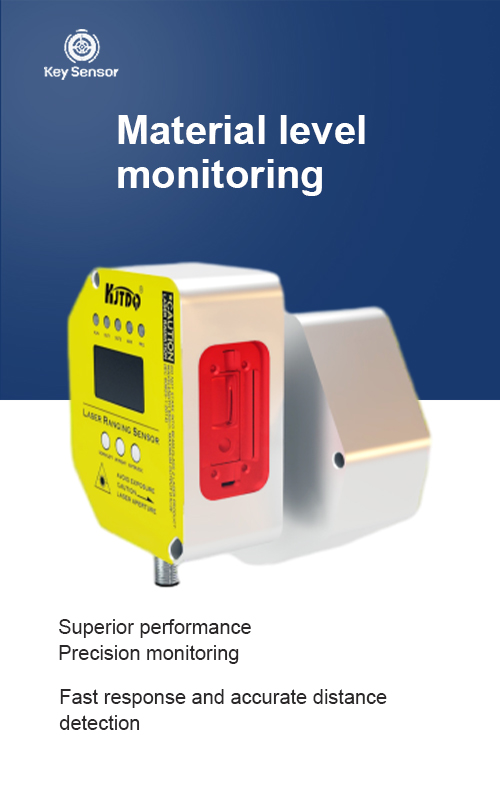
To begin with, the Gyro 530 VL53L0x is a laser distance sensor that measures the distance to an object using laser light. Unlike traditional sensors, it is capable of measuring distance with high precision, even in challenging environments. The sensor is designed for use in a variety of applications, including industrial automation, robotics, and environmental monitoring. Its ability to provide accurate distance readings makes it an ideal choice for projects requiring precise measurements.
When integrating the Gyro 530 VL53L0x with an Arduino, the first step is to connect the sensor to the Arduino board. The sensor typically connects via I²C or SPI, depending on the specific model. For example, the VL53L0x uses I²C communication, which is a common and reliable protocol for connecting sensors to microcontrollers like the Arduino. Proper wiring and configuration are essential to ensure the sensor functions correctly.
Once the sensor is connected, the next step is to write the appropriate code to read data from the sensor. This involves initializing the sensor on the Arduino and reading the distance value using the appropriate functions. For instance, in Arduino, you can use the VL53L0x library to interface with the sensor, which simplifies the process of reading and processing the data. The library provides functions for initialization, reading distance, and handling various sensor modes.
The integration process is not without its challenges. One common issue is ensuring that the sensor is properly calibrated. The VL53L0x sensor requires calibration to ensure accurate readings, especially in different environments or under varying lighting conditions. Calibration involves adjusting the sensor’s settings to account for environmental factors such as temperature and light levels. This step is crucial for achieving reliable and consistent measurements.
In addition to calibration, the sensor’s communication protocol must be correctly configured. The I²C protocol is used for communication, and it requires the proper setup of the Arduino’s I²C pins. It is important to ensure that the Arduino is properly connected to the sensor and that the I²C address is correctly set. For the VL53L0x, the I²C address is typically 0x29, which is a fixed value. Using the correct address is essential for the sensor to respond properly to the Arduino’s commands.
Another important consideration is the sensor’s power requirements. The VL53L0x is a low-power sensor, which makes it suitable for battery-powered applications. However, it is still important to ensure that the power supply is stable and sufficient to power the sensor and the Arduino. Proper power management is crucial for maintaining the sensor’s performance and longevity.
In practical applications, the integration of the Gyro 530 VL53L0x with an Arduino enables a wide range of functionalities. For example, in robotics, the sensor can be used to measure the distance to obstacles, helping the robot navigate safely. In industrial automation, the sensor can be used to monitor the distance to objects, ensuring that the machine operates within safe limits. In environmental monitoring, the sensor can be used to measure the distance to objects in a controlled environment, providing valuable data for analysis.
The versatility of the Gyro 530 VL53L0x makes it a valuable component in a variety of projects. Whether it is for a simple distance measurement or a complex automation system, the sensor provides accurate and reliable data. Its integration with an Arduino allows for easy setup and real-time data processing, making it an excellent choice for developers and engineers looking to build innovative solutions.
In summary, integrating the Gyro 530 VL53L0x with an Arduino is a straightforward process that opens up a world of possibilities. By following the proper setup and calibration steps, developers can ensure that the sensor functions correctly and provides accurate measurements. The versatility of the sensor, combined with the simplicity of the Arduino platform, makes it an ideal choice for a wide range of applications. With the right configuration and understanding of the sensor’s capabilities, developers can build robust and reliable systems that leverage the power of the Gyro 530 VL53L0x.











 +40729977919
  keysensor.ro@gmail.com




