Arduino Laser Sensor for CNC Machines: Enhancing Precision and Efficiency
In today’s rapidly evolving manufacturing industry, precision and efficiency are at the core of innovation. One of the most impactful technologies in this space is the Arduino Laser Sensor for CNC machines. This compact and versatile device is designed to provide real-time feedback on the position and movement of a laser beam, making it an essential tool for optimizing laser cutting and engraving processes. Whether you’re a hobbyist or a professional in the manufacturing sector, understanding how to integrate this sensor into your workflow can significantly enhance the accuracy and reliability of your projects.
The Arduino Laser Sensor for CNC is built on the Arduino platform, a popular open-source electronics platform that allows users to create custom devices and systems. Its integration with a standard Arduino board makes it easy to install and use, even for those with limited experience in hardware programming. The sensor is typically mounted on the worktable of a CNC machine, and it communicates with the Arduino via a serial connection. This allows for real-time data acquisition, which is crucial for maintaining precise control over the laser’s movement.
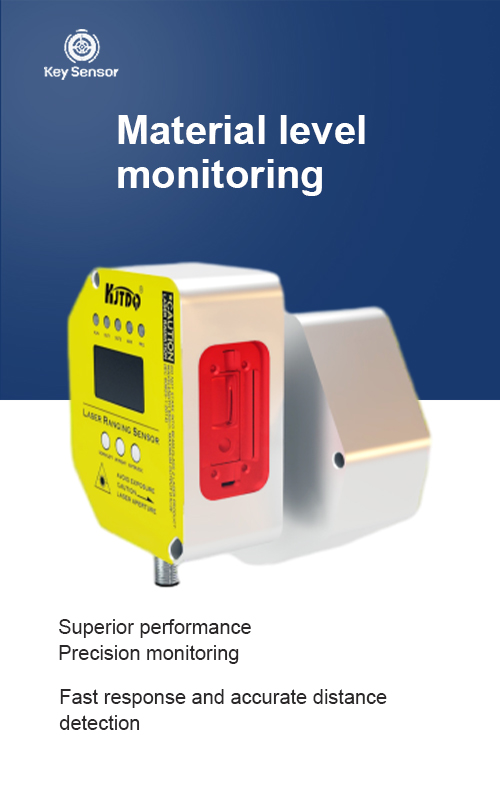
One of the key advantages of this sensor is its ability to detect the position of the laser beam with high accuracy. Unlike traditional optical sensors, which may be affected by environmental factors such as dust or light interference, the Arduino Laser Sensor is designed to provide consistent and reliable readings. This is particularly important in industrial applications where even minor deviations can lead to significant errors in the final product.
The sensor also includes a built-in calibration function, which allows users to fine-tune the readings based on their specific setup. This feature is especially useful when the laser beam is not aligned perfectly with the sensor, or when the machine is operating under varying conditions. By adjusting the calibration, users can ensure that the sensor provides optimal performance, thereby improving the overall quality of the work being produced.
In addition to its technical capabilities, the Arduino Laser Sensor is also user-friendly. Its simple configuration and integration with standard Arduino boards make it accessible to a wide range of users. Whether you’re working on a small-scale project or a large manufacturing operation, this sensor offers a cost-effective solution that can be easily adapted to meet your specific needs.
For those looking to enhance their CNC machine’s performance, the Arduino Laser Sensor is a valuable addition. It not only improves the accuracy of the laser beam but also reduces the need for manual adjustments, saving time and effort. As manufacturers continue to seek ways to increase productivity and reduce waste, the integration of such sensors into the workflow is becoming increasingly important.
In conclusion, the Arduino Laser Sensor for CNC machines is a powerful tool that enhances precision, reliability, and efficiency in manufacturing processes. Its ease of use, high accuracy, and flexibility make it an ideal choice for both hobbyists and professionals. By integrating this sensor into your workflow, you can achieve higher quality results and optimize your manufacturing operations.











 +40729977919
  keysensor.ro@gmail.com




